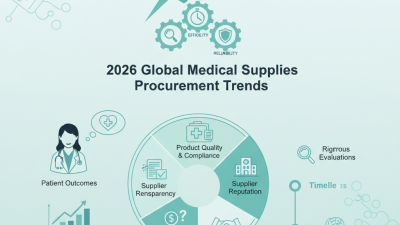
Choosing medical office supplies for global sourcing is not simply a price comparison exercise. It is a practical test of safety, consistency, and supplier judgment. A low-cost examination glove may look attractive, yet weak packaging can cause damage during a long ocean shipment. A paper product may meet local expectations but fail in another clinic’s workflow.
Peter Drucker, a widely respected management expert whose ideas influence healthcare operations, said, “Quality in a service or product is not what you put into it. It is what the customer gets out of it.” That principle matters when evaluating medical office supplies across borders. Buyers should examine product specifications, material quality, sterilization status, labeling, shelf life, and packaging strength. They should also confirm whether suppliers provide traceable batch records and consistent inspection reports.
Details matter.
A reliable sourcing process begins with the actual needs of staff and patients. Measure daily usage. Identify critical items. Review storage conditions. Then compare manufacturers, not just trading companies. Factory audits, sample testing, and clear communication can reveal problems before a container leaves the port. Still, no checklist is perfect. A supplier with strong documents may struggle with delays, while an affordable supplier may lack responsive support.
Global sourcing requires careful compromise. The best choice protects clinical routines, controls total cost, and supports dependable replenishment. This guide explores the questions buyers should ask before approving any medical office supplies supplier.

Medical office supplies should be selected around daily tasks, not attractive catalogs. Map each room, staff role, and patient interaction before contacting global suppliers. A reception desk may need forms, disinfectant wipes, label rolls, and document trays. An examination room requires exam gloves, gauze, specimen containers, sharps containers, and surface barriers. Start with reality.
Record how often each item is used. Note peak hours, storage temperature, package size, and disposal procedures. A small clinic may prefer compact packs because storage space is limited. A busy outpatient center may need bulk cartons, but oversized cartons can create handling problems. That gap matters.
Usage scenarios also reveal quality requirements. Supplies used during patient contact should have clear specifications, traceable batches, and reliable packaging. For items exposed to bodily fluids, confirm material compatibility and safe disposal expectations in the destination market. Requirements can differ between countries, so procurement staff should verify current local rules with qualified compliance professionals.
Create a simple needs sheet with four columns: task, item, quantity, and risk. Include emergency demand, staff training, and replacement time.
A common mistake is calculating only average consumption. Unexpected absences and seasonal demand can change the estimate quickly. Keep samples. Test labels, fit, readability, and opening methods with actual staff before approving a large order. Feedback may be inconvenient, but it often exposes problems that specifications miss.

Global medical office sourcing should begin with patient safety, not price. The World Health Organization estimates that one in ten patients is harmed during healthcare delivery, with more than half of this harm considered preventable. A misplaced label, weak seal, or unclear instruction can create real clinical risk.
Set written specifications before requesting quotations. Define material composition, dimensions, sterility status, shelf life, packaging strength, and acceptable defect limits. Require batch numbers, expiry dates, traceability records, and multilingual instructions where needed. For applicable devices, suppliers should demonstrate quality systems aligned with ISO 13485 and risk controls based on ISO 14971. Electrical products may also require testing against IEC 60601. Requirements must match the destination market, because approval pathways and documentation differ across jurisdictions.
Test samples under realistic conditions. Open sterile packs with gloved hands. Check readability after cleaning, transport resistance, and compatibility with existing equipment. Ask for independent laboratory reports, not only supplier declarations. WHO’s Global Model Regulatory Framework emphasizes effective oversight across a product’s life cycle, including post-market monitoring. That matters after purchase.
Do not trust a perfect spreadsheet.
A checklist can still miss heat exposure during shipping or confusing labeling. I would add supplier audits, random incoming inspections, and a documented corrective-action process. Cost remains important, but an undocumented substitution may cost more than the original savings. Procurement teams should review evidence regularly, because safety requirements change, and yesterday’s approval may not fit tomorrow’s shipment.
Choosing medical office supplies for global sourcing requires more than comparing prices. A supplier should explain its quality system, production flow, and control points clearly. Ask whether the factory makes products in-house or relies on subcontractors. This distinction affects consistency, lead times, and traceability. Request recent samples from regular production, not specially prepared samples. Small differences often appear later.
Certifications need careful verification. Check the certificate scope, issuing organization, expiry date, and covered facility. ISO 13485 may be relevant when products fall under medical device requirements, but it does not automatically prove every item is suitable. For disposable supplies, review material specifications, cleanliness controls, packaging tests, and batch records. Confirm that testing matches the destination market. Documents should be complete.
Production capability matters during pressure. Ask for monthly capacity, equipment lists, inspection methods, and backup plans for material shortages. A factory may promise large volumes but lack enough trained operators. I once treated a polished audit report as stronger evidence than a production trial. That was a mistake. The first shipment exposed inconsistent sealing. A repeat trial, defined acceptance criteria, and independent pre-shipment inspection would have reduced the risk. Keep communication written, measurable, and transparent. Suppliers who admit limitations may be more reliable than those offering perfect answers.
How to Choose Medical Office Supplies for Global Sourcing?
Compare Pricing, Minimum Orders, and Total Sourcing Costs
Choosing medical office supplies for global sourcing requires more than comparing unit prices. A low quote may hide high minimum order quantities, costly packaging, or slow replenishment. Ask suppliers for tiered pricing at realistic volumes, such as 500, 2,000, and 10,000 units. Compare identical specifications, materials, dimensions, and inspection standards. Otherwise, the spreadsheet becomes misleading.
Minimum orders should match actual clinic usage and storage capacity. A 10,000-unit order can reduce unit costs, yet tie up cash and create aging inventory. Request a smaller pilot order when quality or demand remains uncertain. Include sample fees, tooling, labeling, and pre-shipment inspection. Some suppliers waive sample charges, but shipping may still be expensive. That detail is easy to miss.
Calculate total sourcing cost per usable unit, not simply the quoted price. Add international freight, cargo insurance, customs handling, local delivery, warehousing, payment fees, and expected defect losses. Temperature-sensitive or sterile items may require controlled transport and additional documentation. These requirements can change the final cost sharply. I have underestimated correction freight before. A cheaper supplier became more expensive after air shipment fixed a delay. Test reorder speed and communication quality, too. Price matters. Reliability matters more when a clinic cannot wait.
Global sourcing of medical office supplies begins with logistics, not price. The UNCTAD Review of Maritime Transport reports that ships carry over 80% of global merchandise trade by volume. A delayed container can interrupt examinations, sterilization routines, or patient intake. Build a backup route for critical items. Keep a small local safety stock, especially for gloves, syringes, disinfectants, and specimen containers. Check packaging before shipment. Heat, humidity, and crushing can damage supplies long before arrival.
Quality control must be visible and repeatable. The World Health Organization’s Global Report on Infection Prevention and Control estimates that 7 in 100 acute-care patients in high-income countries acquire at least one healthcare-associated infection. The figure rises to 15 in 100 in low- and middle-income countries. That gap makes material selection serious. Request lot numbers, certificates, shelf-life data, and clear storage conditions. Inspect samples before approving bulk orders. Do not rely only on supplier photographs. In my experience, a clean sample can hide inconsistent production. That possibility deserves attention.
Tips: Use a supplier scorecard. Track defect rates, delivery accuracy, response time, and corrective actions. Recheck key suppliers quarterly. Ask for evidence, not promises. The World Bank’s Logistics Performance Index 2023 also shows major differences in customs, tracking, and delivery reliability across markets. Record these differences before choosing a route. A cheaper supplier may create more inspection work. That cost is easy to miss.
2382 Faraday Avenue, Ste 300
Carlsbad, CA 92008
The materials on this website are for your general educational information only. Information you read on this website cannot replace the relationship that you have with your healthcare professional. We do not practice medicine or provide medical services or advice as a part of this website. You should always talk to your healthcare professional for diagnosis and treatment.
©2025 Breg, Inc. All rights reserved. All trademarks and registered trademarks are owned by the copyright holder.