How to Choose the Right Medical Equipment for Your Practice?
Choosing the right medical equipment for your practice is crucial. The correct tools impact patient care significantly. Each piece of medical equipment plays a vital role in daily operations.
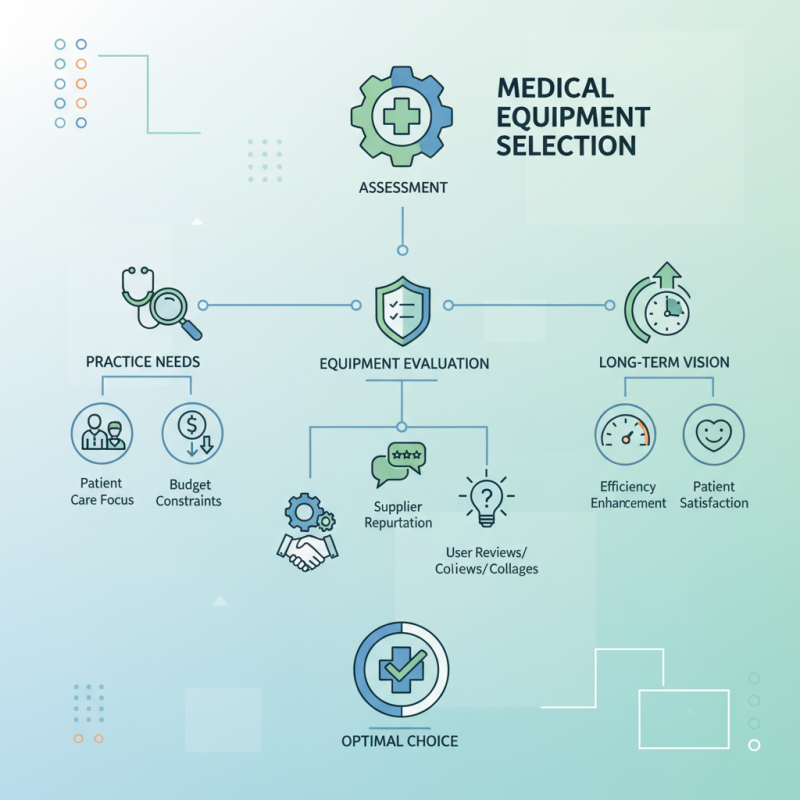
When selecting equipment, consider your practice's specific needs. Budget constraints can limit options, requiring careful thought. Equipment should not only be functional but also user-friendly. Sometimes, cost-effective choices may lack essential features.
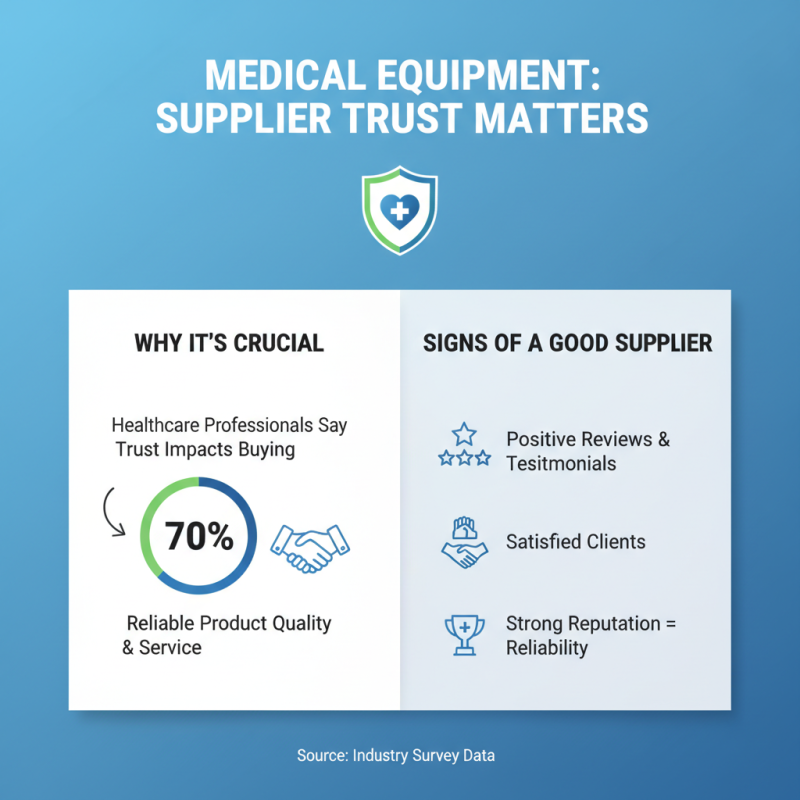
A thorough evaluation of suppliers is necessary. Research their reputation and support services. Read reviews and ask colleagues for recommendations. Making a choice without adequate information can lead to regrets. Reflect on the long-term implications of your decisions. The right equipment should enhance efficiency and patient satisfaction.
Identifying Your Practice's Specific Medical Equipment Needs
Identifying your practice's medical equipment needs is crucial. Begin by assessing the services you provide. Do you offer diagnostic imaging, laboratory tests, or surgical procedures? Each service requires specific equipment. For instance, a recent study indicated that 70% of outpatient practices need imaging devices. However, only 40% have sufficient machines. This suggests a gap, highlighting the need for careful evaluation.
Next, consider the patient demographics. Are you serving young families or elderly patients? The equipment you select should cater to their specific health concerns. Data shows that practices focusing on pediatrics often require different tools than those in geriatric care. Moreover, some equipment can be costly. Investing in something not frequently used might strain your budget. Be mindful of this balance between necessity and cost.
Finally, consult with your team. They can provide insights on daily operations. What challenges do they face? A piece of equipment that seems essential on paper may not solve practical issues. Engage in honest discussions. Equipment choices should reflect real needs, not just trends. This approach fosters a thoughtful selection process tailored to your practice.
How to Choose the Right Medical Equipment for Your Practice?
| Equipment Type |
Key Features |
Considerations |
Estimated Cost |
| Ultrasound Machine |
High-resolution imaging, portable options, various probes |
Space requirements, training needed, maintenance |
$20,000 - $100,000 |
| ECG Machine |
User-friendly interface, wireless options |
Patient volume, integration with EHR |
$1,500 - $10,000 |
| X-Ray Machine |
Digital imaging, low radiation doses |
Installation requirements, regulatory compliance |
$50,000 - $200,000 |
| Patient Monitors |
Multi-parameter monitoring, alarms |
Number of patients, battery life |
$2,000 - $15,000 |
Assessing Budget Constraints and Financial Considerations
Budget constraints significantly influence medical equipment choices. Practices must evaluate their financial health and align it with their needs. A recent industry report indicated that over 30% of small practices struggle to invest in necessary equipment due to budget limitations. This situation often leads to compromised patient care or outdated technology.
Conducting a comprehensive needs assessment is essential. Are there specific tools that directly impact workflow efficiency? Medical equipment like imaging devices or diagnostic tools can be costly. Yet, they offer critical returns in patient outcomes. An analysis revealed that investing in advanced tools can increase patient throughput by up to 25%. However, without proper budgeting, these benefits can seem out of reach.
Practices often overlook maintenance costs. A device may seem affordable upfront, but ongoing expenses can add up. According to industry estimates, maintenance can account for up to 15% of a device’s total cost over its lifespan. Balancing initial costs with long-term value is crucial. Engaging financial advisors could provide insights, but many practices don’t seek this help. This oversight could hinder growth and efficiency.
Budget Allocation for Medical Equipment in Practice
This bar chart represents the budget allocation for various types of medical equipment in a healthcare practice. Proper assessment of financial considerations is critical for ensuring that funds are wisely spent to enhance the quality of care.
Researching the Latest Technologies and Equipment Options
When researching the latest technologies and equipment options, start by defining your practice's needs. Understand what procedures you perform most often. Are you focusing on diagnostics or treatment? Knowing your specialty helps narrow the choices. Attend relevant workshops and conferences to see equipment in action. Talking to peers can provide insights on what works well in real-world scenarios.
Exploring online reviews and case studies offers a deeper understanding of specific devices. Look for user experiences that highlight both advantages and drawbacks. Not all equipment meets every practice's needs. Some may have great features but are not user-friendly. Inquire about maintenance and support as well. How quickly can repairs be made? This can affect your workflow.
Try to test equipment firsthand when possible. Nothing beats direct experience. Sometimes what looks good on paper may not function optimally for you. Keep an open mind and consider both the positives and negatives. Balancing technology with practical application can lead to better patient care. Embrace ongoing education in this fast-paced field to stay updated.