How to Choose the Right Orthopedic Supplies for Your Needs?
Choosing the right orthopedic supplies can be overwhelming. There are many options available in the market. Understanding your specific needs is crucial. The right supplies can significantly impact your recovery and comfort levels.
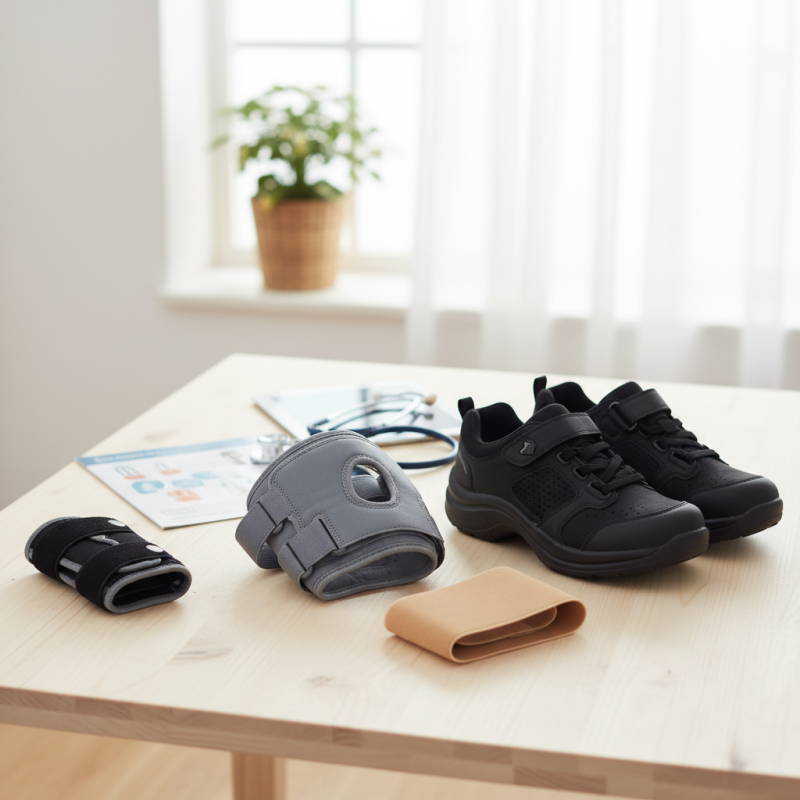
Orthopedic supplies include braces, supports, and orthopedic shoes. Each type serves a unique function, aiding different conditions. For example, a knee brace stabilizes your joint while providing support. It’s vital to assess your condition before making a selection. Misguided choices can lead to discomfort or prolonged recovery times.
Take time to research your options. Talk to healthcare professionals who understand your requirements. They can offer valuable insights. Consider your daily activities as well. The right orthopedic supplies should fit seamlessly into your lifestyle. You might find some choices aren’t as effective as anticipated. It's okay to reassess and try different products until you find what works best for you.
Identifying Your Specific Orthopedic Needs and Goals
Identifying your specific orthopedic needs is crucial. Start by assessing your physical condition. Are you recovering from an injury or managing a chronic issue? Knowing this can guide your choices. A thorough evaluation can reveal the level of support and mobility you require. Consider factors such as pain levels, affected areas, and any limitations in daily activities.
Next, set clear goals. Do you need to regain full mobility or simply reduce discomfort? Your goals will shape your selection of orthopedic supplies. For instance, if you aim to improve your stability, you might prioritize braces or supports. If pain relief is your main concern, look for effective cushioning options. Reflect on your lifestyle too. Will the supplies fit into your routine? Are they easy to use? The right supplies should help you feel empowered, not hinder you.
Understanding Different Types of Orthopedic Supplies Available
When choosing orthopedic supplies, understanding the different types available is essential. These can include braces, splints, orthopedic footwear, and support devices. Each type serves specific needs, addressing issues like joint pain, mobility restrictions, or recovery support. According to a report by Grand View Research, the orthopedic devices market is anticipated to reach 66.0 billion USD by 2025, highlighting a growing demand.
Consider your condition and activity level when selecting supplies. A knee brace may provide stability during exercise, while an ankle splint can help with healing. Always check the material for comfort. A poor fit can lead to frustration and disruption.
Tips: Consult with a healthcare provider to identify the most suitable products. Don’t overlook size and adjustability. Some devices may seem too bulky, leading to discomfort during use. Investing in the right orthopedic supplies can enhance your quality of life significantly.
Assessing Quality and Safety Standards for Orthopedic Supplies
When it comes to choosing orthopedic supplies, quality and safety are paramount. Not all products are created equal. Some may meet basic standards, while others go above and beyond. Look for certifications that indicate the product has undergone rigorous testing. This ensures they are safe for use and will perform as expected.
Many people overlook the importance of materials used in orthopedic supplies. High-quality materials contribute to both durability and comfort. A simple brace made from subpar materials can lead to discomfort. You might end up using it less, which defeats its purpose. Check if the materials are breathable, too. Lack of breathability can cause skin irritations.
Moreover, consider user reviews. They often highlight practical experiences that can’t be found in marketing brochures. Pay attention to feedback about longevity and comfort. If many users report issues, it’s worth reconsidering your choice. It’s essential to balance cost with quality. Investing in reliable products can save you from future problems and expenses. Always ask questions and seek clarity. The right orthopedic supply can enhance your mobility and quality of life.
Evaluating Cost-Effectiveness and Budget Considerations
Choosing the right orthopedic supplies can be challenging, especially when budget considerations come into play. Evaluating cost-effectiveness should be a priority. High prices do not always mean better quality. It's crucial to assess what features you really need. Sometimes, a basic model can serve your purpose well.
**Tip:** Look for quality reviews from users who share similar needs. Their experiences can guide your decision.
Consider the long-term costs too. Some supplies may be cheaper upfront but might not last long. Investing in durable products can save money over time. Check warranties and return policies for added assurance.
**Tip:** Compare multiple options before buying. Make a list of pros and cons for each choice.
Be realistic about your budget. Sometimes, the most affordable option may not meet your needs. It is wise to reflect on what is worth spending money on. Balance affordability with quality and functionality.
Cost-Effectiveness of Orthopedic Supplies
Consulting Healthcare Professionals for Expert Guidance
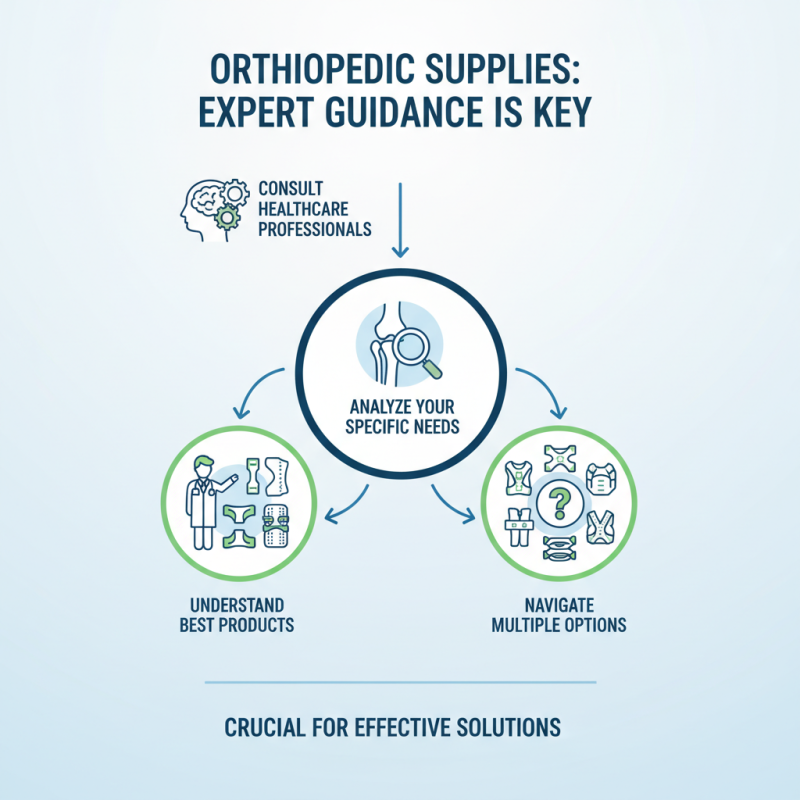
When selecting orthopedic supplies, consulting healthcare professionals is key. They have the training to analyze your specific needs. An expert can help you understand what products might work best for your condition. This guidance is crucial especially when faced with multiple options, which can be overwhelming.
During your appointment, be open about your symptoms and daily activities. This information will aid the professional in making personalized recommendations. You may think you need a particular item, but an expert might suggest something different. It’s important to consider their advice seriously. Remember, they see many patients and understand the nuances of different conditions.
Sometimes, conversations with professionals can reveal gaps in your knowledge. You may learn that some popular supplies may not suit your lifestyle or recovery goals. This realization can help refine your choices. Always ask questions to clarify your understanding. Invalid assumptions can lead to poor decisions down the road. The aim is to find the right supplies that genuinely cater to your individual needs, making expert guidance invaluable.