When considering orthopedic supplies, it’s crucial to select the right products that meet your specific needs. Dr. Jane Smith, an expert in orthopedic rehabilitation, emphasizes, "Choosing the right orthopedic supplies can significantly enhance recovery." This insight underlines the importance of informed decision-making in this field.
Orthopedic supplies include a wide range of products, from braces to mobility aids. Understanding which ones suit your lifestyle is vital. For example, a poorly fitted brace can do more harm than good. It’s not just about the product's popularity; personal comfort and specific conditions matter.
Many people overlook the need for personalized advice. They often rely on generic solutions that fail to address unique requirements. Reflecting on past choices can provide valuable insights. Asking questions and seeking expert guidance can lead to better outcomes in your recovery journey.
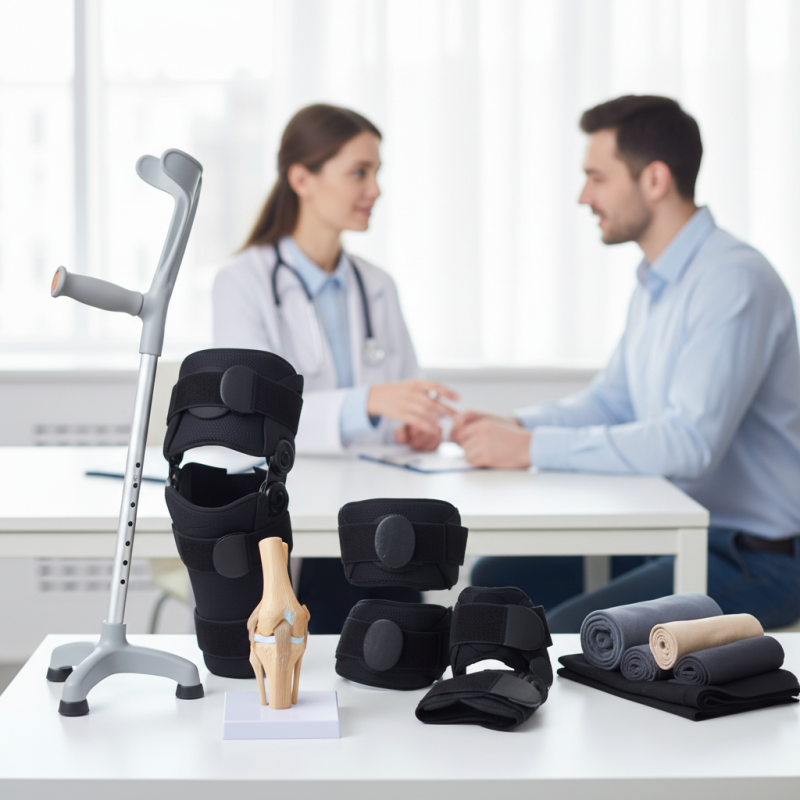
When selecting orthopedic supplies, understanding the types available is crucial. The market has grown significantly. Reports indicate that the global orthopedic market is expected to reach $66 billion by 2026. Various types of supplies cater to different needs.
Braces are popular among patients recovering from injuries. They provide support and stability. For example, knee braces can help patients regain mobility after surgery. However, some users find them uncomfortable. It’s important to choose a brace that fits well and offers adequate support.
Another category is orthopedic footwear. Special shoes can alleviate pain and improve posture. Statistics show that up to 80% of people experience foot pain at some point. Yet, many do not seek proper footwear solutions. A good pair can make a significant difference in daily comfort. Remember that choosing the right orthopedic supply often requires trial and error. Personal preference plays a big role in the effectiveness of these supplies.
| Type of Orthopedic Supply | Description | Common Uses | Benefits |
|---|---|---|---|
| Braces | Supportive devices used to stabilize joints and limbs. | Post-surgery recovery, arthritis management, and injury prevention. | Reduces pain, supports healing, and improves mobility. |
| Splints | Rigid devices designed to immobilize and support fractured bones or injured areas. | First aid for fractures and sprains. | Prevents further injury and aids in proper healing. |
| Crutches | Mobility devices used to assist walking. | Temporary use after lower limb injuries. | Promotes mobility while reducing weight on injured legs. |
| Wheelchairs | Chairs with wheels for individuals with limited mobility. | Long-term use for mobility impairment or rehabilitation. | Enhances independence and access to environments. |
| Orthotic Shoes | Specially designed footwear to correct foot abnormalities. | Conditions like flat feet, diabetic foot, and plantar fasciitis. | Provides comfort and improves walking gait. |
| Hot/Cold Packs | Therapeutic packs used for pain relief. | Treatment for muscle soreness, joint pain, or inflammation. | Reduces pain and promotes recovery. |
When assessing your specific needs for orthopedic support, start with a clear evaluation of your condition. Consider the area of discomfort. Is it your knee, back, or wrist? Different supports target different issues. Next, think about your daily activities. Do you need support for walking or lifting? Identifying the core of your needs is crucial.
Explore various orthopedic supplies to find what suits you best. Some options include braces, wraps, or orthotic inserts. Each type has unique features that may aid recovery or provide comfort. Be aware that not every product will guarantee relief. It’s important to listen to your body. What feels good today may not work tomorrow. Reflect on your experiences with different supports.
Consulting a healthcare professional can provide additional guidance. They can help interpret your symptoms and suggest suitable supplies. This collaboration can lead to better decision-making. However, personal experimentation is still valuable. Your ultimate goal is to enhance your mobility and comfort. Finding the right orthopedic support may be a journey of trial and error, but it’s worth it.
This chart illustrates the popularity of various orthopedic supplies in 2026 based on user preferences. As shown, braces are the most sought-after item, followed by insoles and supports. Understanding these preferences can aid in selecting the right orthopedic supplies for individual needs.
When selecting orthopedic supplies, quality and safety standards are essential. Look for products that adhere to established regulations. Certifications from reputable organizations can signal compliance. Always check if a product has undergone rigorous testing. Reliable products are typically well-documented.
Investigate the materials used. Are they durable? Do they offer comfort? Some supplies might look good, but their performance could be suspect. Analyzing user reviews can provide insight into real-world experiences. Sometimes, the most appealing options may not meet safety standards.
Be cautious of overly cheap products. They might compromise safety in favor of cost. Remember, investing in quality supplies can prevent potential injuries. Pay attention to warning labels and manufacturer instructions. Often, understanding these details can reflect a product's reliability. Even small discrepancies can raise concerns regarding safety.
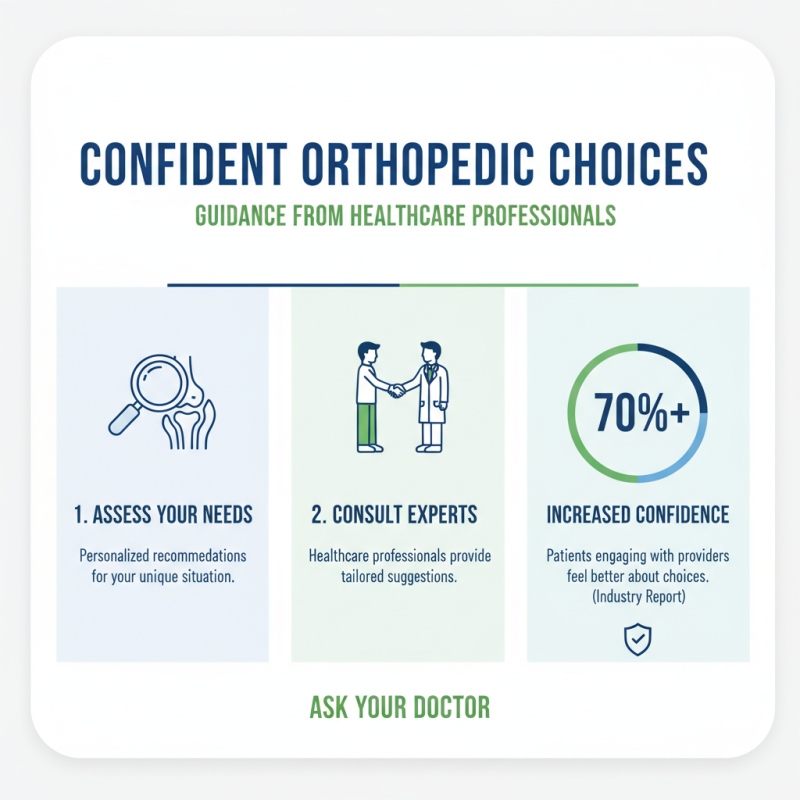
Choosing the right orthopedic supplies can be challenging. It is essential to consult healthcare professionals for personalized recommendations. They can assess your specific needs and suggest the most suitable products. According to a recent industry report, over 70% of patients who engage with healthcare providers feel more confident about their choices.
Healthcare professionals take various factors into account. Your unique condition, activity level, and personal preferences play vital roles in the decision-making process. For instance, individuals recovering from knee surgery may require different braces and supports than those with chronic back pain. An orthopedic specialist can provide tailored advice, ensuring you invest in the right equipment.
Additionally, not all products are created equal. Quality can vary significantly, and healthcare providers often know which supplies meet high standards. This ensures that patients receive effective support, reducing the risk of complications. A study showed that proper recommendations lead to a 40% faster recovery. Relying solely on online reviews may not suffice; professional guidance is essential for optimal outcomes.
When budgeting for orthopedic supplies, understanding costs versus benefits is essential. Statistics indicate that orthopedic injuries account for over 40% of sports-related injuries. Effective supplies can significantly enhance recovery and performance, but they come at a cost. A report by the American Academy of Orthopaedic Surgeons suggests that appropriate supplies may lead to reduced long-term care expenses.
Choosing the right supplies requires careful consideration. A knee brace might cost $50, yet it could prevent a $1,500 surgery later. These numbers highlight the financial trade-offs involved. Many patients struggle to see immediate benefits. This creates a dilemma when funds are limited. It is vital to weigh the short-term strain against long-term wellness.
Budgeting often feels overwhelming. Patients may cut costs by settling for inadequate supplies. This could lead to prolonged recovery or re-injury. In a survey, 30% of patients reported dissatisfaction due to improper equipment. Each choice should be deliberate. Quality matters. Investing in the right orthopedic supplies can yield significant benefits down the line.
2382 Faraday Avenue, Ste 300
Carlsbad, CA 92008
The materials on this website are for your general educational information only. Information you read on this website cannot replace the relationship that you have with your healthcare professional. We do not practice medicine or provide medical services or advice as a part of this website. You should always talk to your healthcare professional for diagnosis and treatment.
©2025 Breg, Inc. All rights reserved. All trademarks and registered trademarks are owned by the copyright holder.