What is Direct Medical Care and How Does It Work?
Direct medical care is transforming healthcare access and delivery. This model focuses on direct relationships between patients and providers. Patients pay a flat fee, which simplifies billing and reduces confusion.
In this arrangement, there are no insurance hurdles. Appointments are often longer, allowing for thorough examinations and discussions. The atmosphere is typically relaxed and patient-centered. Aiming for accessibility, direct medical practices often provide same-day visits and extended hours.
However, this system has its challenges. Not everyone can afford the monthly fees. Some may miss traditional insurance benefits, like specialty referrals. Awareness of direct medical care is still growing, leading to a lack of providers in many areas. Balancing affordability and quality remains essential for its future.
Definition of Direct Medical Care and Its Core Principles
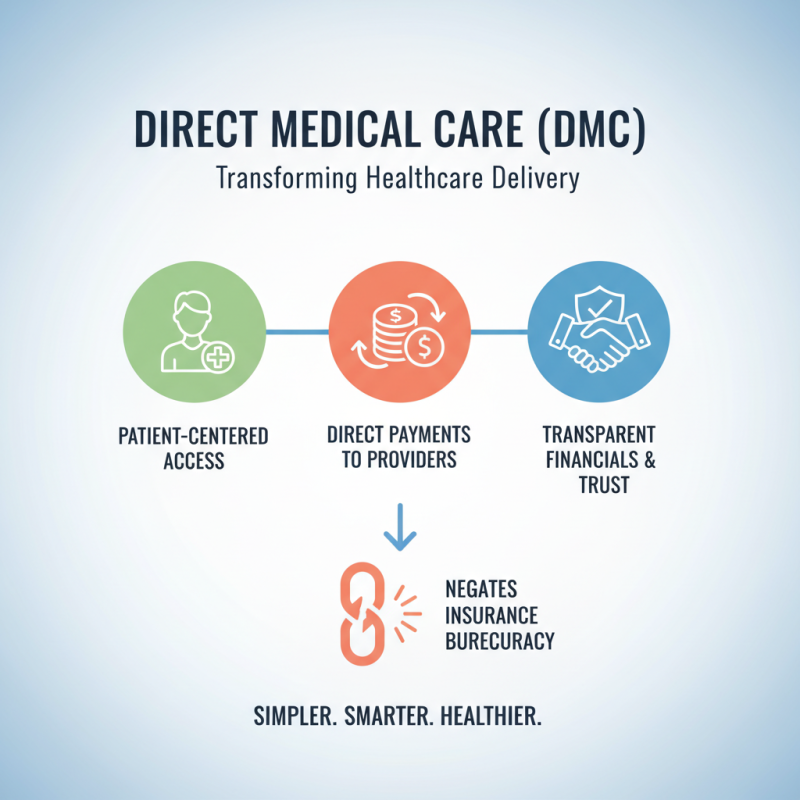
Direct Medical Care (DMC) transforms healthcare delivery by focusing on patient-centered access. It emphasizes direct payments to healthcare providers, negating traditional insurance bureaucracy. This model creates a transparent financial relationship between patients and providers, fostering trust.
Core principles of DMC include simplicity, affordability, and convenience. Patients pay a fixed monthly fee for services, which often covers routine care and minor procedures. Reports suggest that DMC can reduce healthcare costs by up to 30%. This is significant in a system where many individuals face high deductibles and out-of-pocket expenses.
Tips: Consider DMC if you prefer a straightforward healthcare model. Transparency in pricing may provide peace of mind. It’s essential to evaluate if it meets your needs. Remember, not all conditions might be covered, reflecting a limitation in this model. Always inquire about specifics before committing.
Key Features of Direct Medical Care Models: Membership and Fee Structures
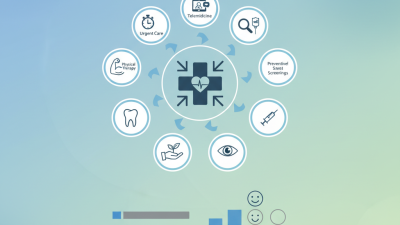
Direct medical care offers a fresh approach to healthcare. Membership-based models are at the core of this concept. Patients pay a monthly fee for access to a range of services. This can include office visits, urgent care, and sometimes even lab tests. The cost is often predictable, which is a significant advantage.
Fee structures vary between models. Some charge a flat rate, while others may have tiered pricing. Patients appreciate knowing their expenses in advance. This arrangement often leads to enhanced doctor-patient relationships. Without intermediaries, doctors can focus more on patient care.
However, not all patients may find this model suitable. Some individuals rely on insurance for specialized care. Transitioning to a membership model requires some adjustment. People must consider their healthcare needs and budget. Additionally, there can be challenges in accessing emergency services when needed. The direct care model has its benefits, but it also raises questions about comprehensive coverage and accessibility.
Direct Medical Care: Membership vs. Fee-for-Service Comparison
This chart compares the average monthly costs associated with two direct medical care models: the Membership Model, which typically charges a fixed monthly fee for access to care, and the Fee-for-Service Model, which charges patients for each service provided. As depicted, the Membership Model tends to be more affordable on a monthly basis.
Analysis of Cost Savings and Access Improvements in Direct Medical Care
Direct medical care offers an innovative approach to healthcare, focusing on patient access and cost savings.
Traditional insurance can bury patients under bureaucratic red tape and high costs. In contrast, direct medical care often employs a subscription model.
Patients pay a monthly fee for a broad range of services. This model can eliminate unexpected costs and improve budget predictability.
By reducing administrative burdens, direct care can save money. Clinics often operate with lower overhead, which can pass savings to patients.
However, it's essential to acknowledge the challenges. Not all patients can afford monthly fees. Some may find access limited without insurance coverage for specialist services.
This raises questions about equity in healthcare access.
Moreover, while many report positive experiences, direct care isn't universally suitable. Some may need the complex care that traditional models provide.
Patients should weigh pros and cons. Reflection on personal health needs is vital for making informed decisions.
The direct care model presents alternatives but isn't a one-size-fits-all solution.
Comparative Study: Direct Medical Care vs. Traditional Insurance Models
Direct medical care (DMC) offers an alternative to traditional health insurance models. Instead of navigating complex insurance claims, patients pay a flat fee for a range of services. Reports indicate that DMC can lead to reduced costs for patients. A study showed that patients can save up to 40% on annual healthcare expenses with direct care options.
Traditional insurance models often involve high deductibles. Patients may delay care due to costs. In contrast, DMC emphasizes upfront pricing and transparency. This model fosters stronger patient-provider relationships. According to a recent survey, 65% of patients prefer DMC for its straightforward approach to pricing and care.
However, there are challenges with DMC. It may not cover major medical needs, such as surgeries or specialist consultations. This model might not suit everyone. Individuals with chronic conditions or those needing extensive care may find it limiting. Reflecting on personal health needs is crucial. Evaluating various healthcare options is essential for making informed choices.