Fine Line Reduction is often presented as a quick transformation, but real skin rarely changes overnight. Fine lines develop through repeated facial movement, sun exposure, dryness, and gradual collagen loss. A reliable approach needs patience, consistent care, and realistic expectations.
This guide explores ten practical tips supported by dermatology principles and everyday experience. Daily broad-spectrum sunscreen matters, especially on the face, neck, and hands. Moisturizers can soften the look of dehydration lines, while retinoids may improve texture over time. However, retinoids can cause irritation and are not suitable for everyone, including people who are pregnant or breastfeeding. Professional treatments, such as chemical peels, microneedling, or laser procedures, require assessment by a qualified medical provider.
Small habits count. Reapplying sunscreen during outdoor lunch can matter more than buying another expensive serum. Gentle cleansing also protects the skin barrier. Avoid aggressive scrubbing. It may leave skin tight, red, and more uncomfortable.
No single tip works equally well for every person. Skin type, age, medication use, and lifestyle all influence results. A credible plan should explain both benefits and limitations. Some popular products have attractive packaging but limited independent evidence. That deserves careful thought.
Progress can be subtle. Take photographs in the same light, rather than judging changes under a harsh bathroom bulb. And remember: healthy skin is the goal, not completely expressionless skin. Expect improvement, not perfection.
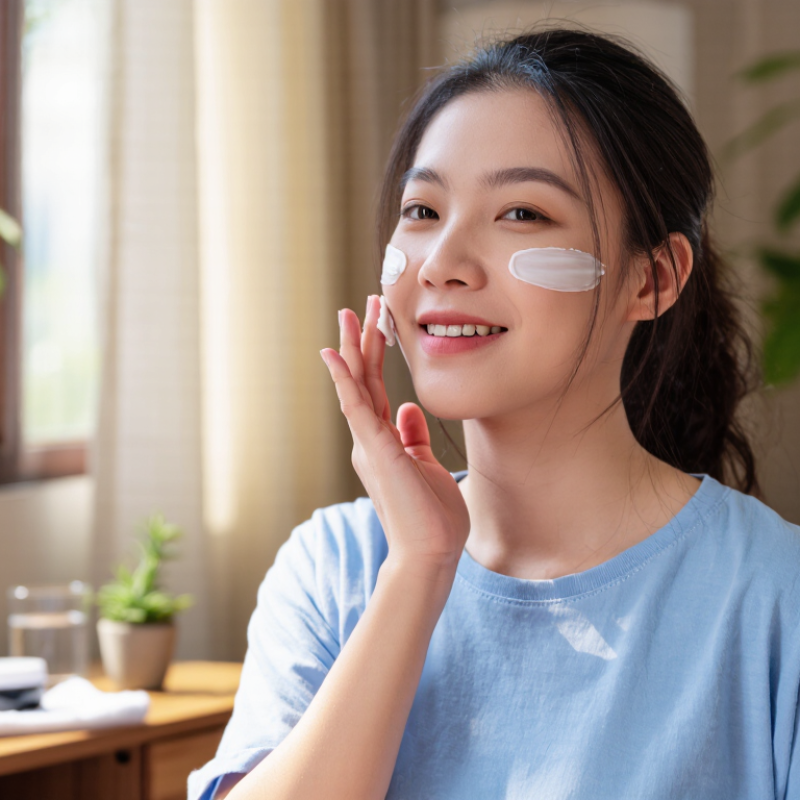
Fine lines are small, shallow creases that appear when skin loses some flexibility. They often show around the eyes, forehead, and mouth. Unlike deeper wrinkles, they may soften when the skin is well hydrated. Still, they are real structural changes, not simply signs of dry skin.
Collagen and elastin keep young skin firm and springy. With age, their production gradually slows. Sun exposure speeds this process by damaging supportive fibers. Repeated facial movement also matters. Smiling, squinting, and frowning fold the same areas thousands of times. Dry air, poor sleep, smoking, and sudden weight changes may make lines look more noticeable. Genetics plays a part, too. Skin does not age on one schedule.
A practical reduction plan starts with daily broad-spectrum sunscreen and gentle cleansing. Moisturizer can temporarily plump the surface. Retinoids may encourage collagen production, but they can cause irritation and require careful use. Antioxidant ingredients may support the skin, though results are rarely immediate. Avoid harsh scrubbing. Protect the eye area with sunglasses. Sleep consistently. Do not expect one cream to erase established creases. I used to think stronger products meant faster progress; that assumption can backfire. Patience matters. Persistent redness, sudden changes, or severe irritation deserve professional assessment from a qualified dermatologist.
10 Tips for Fine Line Reduction That Really Work?
How to Build a Daily Skin Care Routine for Fine Lines
A useful routine begins with gentle cleansing, not aggressive scrubbing. Use lukewarm water and pat your face dry with a soft towel. Apply moisturizer while your skin still feels slightly damp. This helps reduce tightness and emphasizes fewer dry-looking lines. Every morning, use broad-spectrum sunscreen with SPF 30 or higher. Reapply outdoors, especially after sweating or swimming. Sun protection remains the most reliable daily step for preventing visible skin aging.
Tip: Keep your morning routine short. Cleanse, moisturize, then apply sunscreen. Consistency matters more than collecting many products.
At night, cleanse again and consider a retinoid recommended by a qualified dermatologist. Start two nights weekly with a small amount. Increase slowly if your skin stays comfortable. Avoid using it on irritated or peeling skin. Pregnant or breastfeeding individuals should seek medical advice before using retinoids. Add a plain moisturizer afterward, especially around the mouth and eyes.
Tip: Change one product at a time. Otherwise, redness becomes difficult to trace.
Fine lines can look deeper when skin lacks sleep, hydration, or comfort. Drink normally, avoid smoking, and keep showers brief. A balanced diet supports overall skin health, but no food erases wrinkles overnight. Results usually take several weeks or longer. Photograph your skin monthly in the same window light. Progress may be subtle, and some routines will not suit you. That is useful information, not failure.
Fine lines respond best to steady care, not dramatic promises. Daily broad-spectrum sunscreen remains the strongest foundation.
In a randomized Annals of Internal Medicine trial, daily sunscreen users showed 24% less visible skin aging after 4.5 years. Reapply outdoors, especially after sweating.
Retinoids also have strong clinical support. They encourage collagen production and smoother texture, but irritation can happen. Start twice weekly at night.
Vitamin C may help defend collagen from oxidative stress and improve uneven tone. Choose a well-formulated product and store it away from heat and sunlight.
Niacinamide supports the skin barrier and may soften the appearance of fine lines. A controlled study published in the International Journal of Cosmetic Science reported improved wrinkles after regular use of a 5% formulation.
Results vary. Skin is not a spreadsheet.
Peptides may support firmer-looking skin, although evidence remains less consistent than retinoid research. A plain moisturizer can reduce dryness, making lines look less etched around the eyes.
Cleanse gently, avoid harsh scrubbing, and patch-test new products for several days. Introduce one active at a time. That makes reactions easier to identify.
I once expected faster changes and used too many actives together; the redness made every line look worse. Consistency matters more than a crowded shelf.
Expect gradual improvement over eight to twelve weeks, while deeper lines may need professional assessment.
Fine lines often respond best to professional care, not one dramatic procedure. A qualified dermatologist should examine your skin, muscle movement, pigmentation, and medical history before recommending treatment. This assessment matters because lines around the eyes may need a different approach from forehead creases.
Prescription retinoids can improve collagen activity over time, although irritation is common. Professional chemical peels may smooth dull, uneven surfaces when selected carefully.
Microneedling creates controlled micro-injuries, encouraging gradual collagen remodeling. Results usually develop across several weeks, not overnight.
That distinction protects patients from unrealistic expectations.
For stronger expression lines, an appropriately administered injectable treatment can temporarily relax targeted muscles. Dermal fillers may restore shallow volume loss, but they require precise anatomical knowledge. Laser resurfacing can refine texture and stimulate collagen, yet recovery may include redness, swelling, or temporary sensitivity. These treatments are not interchangeable.
Choose a licensed medical professional with relevant training and transparent before-and-after information. Ask about downtime, complications, maintenance, and alternatives.
Sun protection remains essential after treatment, especially after peels or laser procedures. Daily sunscreen helps preserve results.
More treatment is not always better. Overcorrection can make movement look unnatural or create unwanted texture. Improvement should still look like you. The uncomfortable truth is that fine lines cannot be erased permanently, and individual results vary. A careful plan, realistic timing, and honest follow-up usually produce the safest progress.
Fine lines often return when daily protection becomes occasional. The American Academy of Dermatology recommends broad-spectrum sunscreen with SPF 30 or higher. Use enough for your face, neck, ears, and hands. Reapply outdoors, especially after sweating. In the Nambour randomized trial, published in Annals of Internal Medicine, daily sunscreen users showed 24% less skin aging after 4.5 years than occasional users. That difference sounds modest. It is meaningful over time.
Support the skin barrier with a gentle cleanser and a fragrance-free moisturizer. A topical retinoid may soften fine lines, but introduce it slowly at night. Start twice weekly, then increase if your skin tolerates it. Irritation can worsen dryness and make lines look deeper. Avoid combining several strong exfoliants during the same week. After professional resurfacing or injectables, follow the clinician’s aftercare plan carefully. The 2023 ISAPS Global Survey recorded more than 19 million nonsurgical aesthetic procedures worldwide, showing how common maintenance treatments have become. Results still depend on sun exposure, sleep, smoking status, and consistent care. Perfect routines rarely survive travel or busy mornings. Mine would not. A missed application is not failure; repeated neglect is the real problem. Check new products on a small area first, and seek medical advice for persistent redness, peeling, or sudden skin changes.
| # | Strategy | How It Helps | Recommended Use | Typical Time to Notice Results | Maintenance and Prevention |
|---|---|---|---|---|---|
| 1 | Apply broad-spectrum sunscreen | Helps limit ultraviolet damage that breaks down collagen and accelerates visible skin aging. | Use SPF 30 or higher every morning on exposed skin; reapply after swimming, sweating, or prolonged outdoor activity. | Prevention begins immediately; visible improvement is gradual and may take several months. | Combine with shade, protective clothing, and sunglasses to reduce squinting and cumulative sun exposure. |
| 2 | Use a retinoid carefully | Retinoids can support collagen production and improve skin texture and the appearance of fine lines over time. | Start with a low-strength product a few nights per week, then increase gradually as tolerated; follow medical guidance for prescription products. | Often 8–12 weeks for early changes, with continued improvement over several months. | Moisturize, avoid overuse, and wear sunscreen daily. Retinoids are generally not recommended during pregnancy unless a clinician advises otherwise. |
| 3 | Keep the skin moisturized | Humectants and barrier-supporting ingredients temporarily plump the outer skin layer and reduce the emphasis of dehydration lines. | Apply a fragrance-free moisturizer after cleansing, especially while the skin is slightly damp. | Hydration-related smoothness may appear within days to a few weeks. | Look for ingredients such as glycerin, hyaluronic acid, ceramides, or petrolatum if tolerated. |
| 4 | Consider vitamin C in the morning | Antioxidant formulations may help reduce oxidative stress and support a more even-looking complexion when paired with sunscreen. | Apply a well-tolerated formulation before moisturizer and sunscreen; patch-test first if the skin is sensitive. | Usually 8–12 weeks for noticeable tone or texture changes. | Store according to the product instructions and stop if persistent irritation develops. |
| 5 | Cleanse gently | A gentle cleanser removes buildup without unnecessarily stripping the skin barrier, which can make dryness and fine lines look more prominent. | Use lukewarm water and a non-abrasive cleanser once or twice daily, depending on skin type. | Reduced tightness and dryness may occur within days. | Avoid harsh scrubs, very hot water, and frequent cleansing that causes stinging or tightness. |
| 6 | Limit repetitive facial expressions when possible | Repeated muscle contraction contributes to expression lines, particularly around the forehead and eyes. | Wear sunglasses outdoors and address habits such as habitual squinting; do not forcefully restrict normal facial movement. | Prevention is gradual and difficult to measure precisely. | For established dynamic lines, consult a qualified medical professional about evidence-based treatment options. |
| 7 | Avoid smoking and secondhand smoke | Smoking is associated with reduced skin oxygenation, collagen damage, and a higher likelihood of premature wrinkling. | Use cessation support, counseling, or approved medical resources if needed. | Skin benefits develop over time; stopping reduces ongoing damage. | Protecting overall health is the primary benefit, with appearance-related improvements varying by individual. |
| 8 | Prioritize consistent sleep and stress management | Adequate sleep and stress control support skin-barrier function and overall recovery, although they cannot erase established wrinkles on their own. | Aim for a regular sleep schedule and use practical stress-reduction activities such as walking, breathing exercises, or meditation. | Changes in dullness or dryness may improve over several weeks. | Treat persistent sleep problems or high stress with guidance from a qualified healthcare professional. |
| 9 | Use professional treatments selectively | Procedures such as fractional laser resurfacing, microneedling, or chemical peels may improve texture when performed by qualified professionals. | Obtain an assessment first and follow the recommended treatment schedule and aftercare instructions. | Results vary; improvement commonly develops over weeks to months and may require multiple sessions. | Continue sun protection and avoid unlicensed providers or aggressive home procedures. |
| 10 | Follow a simple, consistent routine | Regular use of a small number of suitable products is more sustainable than frequently changing products or combining too many active ingredients. | Build a routine around gentle cleansing, moisturizing, daily sunscreen, and one targeted active ingredient. | Evaluate changes after at least 8–12 weeks unless irritation occurs. | Introduce only one new active at a time and discontinue products that cause persistent burning, swelling, or rash. |
| Note: Results vary according to age, skin type, genetics, sun exposure, lifestyle, and the depth of the lines. Patch-test new products and seek professional advice for persistent irritation, pregnancy-related concerns, or in-office procedures. | |||||
2382 Faraday Avenue, Ste 300
Carlsbad, CA 92008
The materials on this website are for your general educational information only. Information you read on this website cannot replace the relationship that you have with your healthcare professional. We do not practice medicine or provide medical services or advice as a part of this website. You should always talk to your healthcare professional for diagnosis and treatment.
©2025 Breg, Inc. All rights reserved. All trademarks and registered trademarks are owned by the copyright holder.