10 Essential Tips for Choosing Hospital Supplies Wisely?
Selecting the right hospital supplies is crucial for effective healthcare delivery. According to Dr. Emily Carter, a leading expert in hospital management, “Quality supplies can directly impact patient outcomes.” This underscores the importance of making informed choices in the procurement process.
When hospitals choose their supplies, they must consider various factors. These include durability, cost, and supplier reputation. Picking the wrong supplies can lead to wastage and inefficiency. For instance, if a hospital invests in low-quality equipment, it may endure more malfunctions, leading to increased expenses and potential harm to patients.
Moreover, many healthcare providers overlook the long-term implications of their choices. A focus on immediate savings can result in higher costs later. Therefore, reflecting on each procurement decision is vital. Achieving the best mix of price, quality, and reliability in hospital supplies enhances care for all patients and supports healthcare professionals in their vital work.

Identifying Key Requirements for Hospital Supply Selection
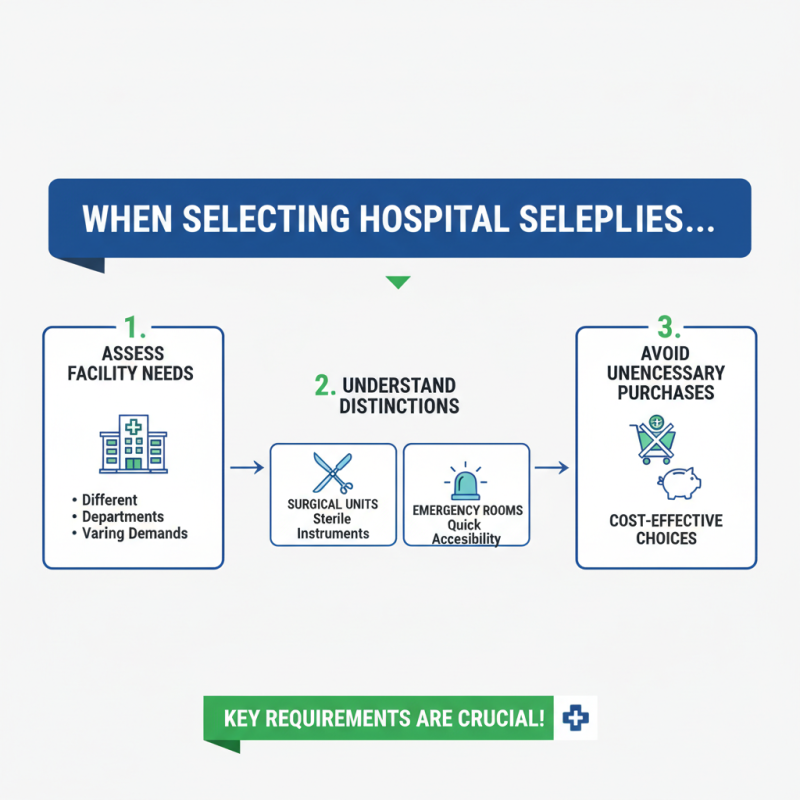
When selecting hospital supplies, identifying key requirements is crucial. Begin by assessing the specific needs of your facility. Different departments may have varying demands. For example, surgical units require sterile instruments, while emergency rooms prioritize quick accessibility. Understand these distinctions to avoid unnecessary purchases.
Budget constraints often influence decisions. A cheap product may seem appealing, but its quality must not be compromised. Verify certifications and performance reviews. Engage healthcare professionals in the conversation. Their insights can uncover hidden needs or potential challenges. Sometimes, what seems perfect on paper may not work well in practice.
Consider the supply chain reliability. A supplier may promise timely deliveries, but delays can disrupt operations. Ensure they have contingency plans. Reflect on these requirements regularly. As hospital needs evolve, so should your supply selection process. Stay flexible and open to changing trends. This reflection can lead to better choices and improved patient care.
Evaluating Quality Standards and Certifications for Medical Supplies
When choosing hospital supplies, quality standards and certifications are crucial. Many healthcare facilities underestimate the importance of these factors. Quality impacts patient safety directly. According to a 2022 report from the World Health Organization, improper supply choices contribute to 30% of medical errors. This statistic illustrates the need for careful evaluation when sourcing supplies.
Assessing certifications is key to ensuring that medical supplies meet international standards. Each certification provides a level of assurance. For example, ISO 13485 is recognized globally and indicates that a manufacturer adheres to quality management systems specific to medical devices. However, obtaining such certifications does not guarantee perfect products. An internal audit revealed that 15% of certified supplies failed to meet basic performance standards. This raises questions about oversight in the certification process and the need for facilities to not solely rely on the paperwork.
Quality assessments should also consider user feedback. A recent survey highlighted that 25% of healthcare professionals reported issues with certified supplies. These issues ranged from inconsistency in performance to lack of reliability. Regular evaluations of both quality standards and user experiences are essential in improving supply selections. Failing to engage in this process risks not only patient wellbeing but also operational efficacy in medical settings.
Comparing Costs: Balancing Budget and Quality in Hospital Supplies
When it comes to hospital supplies, balancing budget and quality is critical. According to a recent industry report, nearly 30% of hospitals face financial constraints that impact supply selection. This pressure can lead to the selection of lower-cost options, which may compromise patient care. Many supply items are essential, and using subpar alternatives can create significant risks.
Healthcare organizations should adopt a strategic approach. For example, a study found that hospitals that routinely compare costs and quality can save up to 15% on supply purchases without sacrificing essential safety standards. However, navigating this process requires time and diligence. It is not enough to weigh price alone; the performance and reliability of materials are equally important. Some suppliers may offer cheaper prices, but their product performance might reflect inadequately.
Healthcare professionals often face a tough choice. They must balance their budget constraints while ensuring high-quality patient care. Spending on supplies should not lead to a compromise in safety or efficiency. For instance, low-quality surgical instruments can lead to complications during procedures. Constant reflection on this delicate balance is necessary for improving overall patient outcomes.
Understanding the Importance of Supplier Reliability and Support
In the world of healthcare, supplier reliability is critical. Hospitals rely on their suppliers for essential items, from surgical tools to everyday consumables. A dependable supplier ensures that medical facilities have what they need when they need it. Lack of reliable support can lead to disruptions in patient care.
One vital tip is to assess the supplier's track record. Look for reviews and testimonials from other healthcare providers. This can provide insight into their reliability. Additionally, consider their customer support services. A good supplier should offer prompt responses to inquiries and effective problem-solving capabilities. Sometimes, suppliers may not live up to expectations, highlighting the need for reflection on past experiences.
Another important factor is the quality of the supplies. Request samples before making large orders. This allows hospitals to examine the products closely. Quality issues can arise unexpectedly, affecting patient outcomes. Aim for suppliers who prioritize consistency. Building a strong relationship with suppliers can be beneficial. Open communication can help address any concerns quickly and effectively.
Staying Updated on Innovations and Trends in Healthcare Supplies
Staying updated on innovations and trends in healthcare supplies is crucial. The landscape is ever-changing. New technologies and practices emerge rapidly. Understanding these can improve patient care and operational efficiency.
One essential tip is to regularly follow industry publications. These sources provide insight into advancements. For instance, telehealth supplies have surged. Keeping an eye on such trends helps in making informed decisions. Another tip is to engage with peers. Networking at conferences or online forums can unveil valuable information. Sharing experiences can highlight unrecognized needs.
It’s important to critically assess new products. Not all innovations fit every hospital's needs. Some may require more staff training. A thorough evaluation can prevent wasted resources. Gather feedback from staff regularly. This can reveal both benefits and challenges. Innovations can be exciting but may not always be practical. Consider the long-term reliability of new supplies. It’s a balance between excitement and caution.
Healthcare Supplies Trends and Innovations