What is the Importance of Medical Supplies in Healthcare?
Medical supplies play a crucial role in healthcare systems worldwide. These items include everything from bandages to surgical instruments. They are essential for patient care, surgery, and disease management. When health professionals lack the necessary medical supplies, treatment can be compromised. This gap may lead to increased patient suffering and even fatalities.
In many hospitals, the availability of medical supplies directly impacts outcomes. Proper equipment can improve the efficiency of healthcare delivery. However, shortages can create chaos and stress for medical staff. That stress is often reflected in patient experiences. The importance of reliable supply chains is often underestimated.
Moreover, not all medical supplies are equally prioritized. Some regions face significant challenges in accessing the most basic items. Inequities exist, raising questions about fairness in healthcare. Reflecting on these issues is vital for improving future supply management and patient care.

Significance of Medical Supplies in Patient Care and Treatment
Medical supplies play a vital role in patient care and treatment. Without the right tools, healthcare providers face challenges. From bandages to advanced diagnostic devices, each item serves a purpose. They aid in monitoring health, preventing infections, and delivering treatments. A lack of supplies can delay procedures and compromise patient safety.
In an ideal world, all supplies are readily available. Unfortunately, this is not always the case. Some hospitals struggle with inventory issues. Others face budget constraints, which limit what they can stock. When essential items are missing, healthcare professionals must find creative solutions. However, these workarounds can lead to increased stress and uncertainty.
Patients also feel the impact of supply shortages. Delays in treatment can lead to worsening conditions. Patients may experience anxiety knowing they might not receive needed care in a timely manner. Each supply, whether large or small, contributes to a patient’s overall experience. Recognizing their importance can lead to better healthcare outcomes.
Role of Medical Supplies in Preventive Healthcare and Public Health
Medical supplies play a critical role in preventive healthcare and public health. They enable health professionals to diagnose, treat, and prevent diseases. Essential items like vaccines, gloves, and sterilization equipment protect both patients and healthcare workers. Their availability can mean the difference between life and death.
In preventive healthcare, vaccines are vital. They prevent the spread of infectious diseases. Health campaigns often distribute vaccines to underprivileged areas. However, access can be uneven. Some regions face shortages. It raises questions about health equity.
**Tips:** Always check local health guidelines. Stay updated on vaccination schedules. Don’t hesitate to ask healthcare providers for clarifications.
Personal protective equipment (PPE) is also crucial. It can prevent infections in hospitals. However, improper use of PPE can lead to contamination. Training in proper use is necessary. This is an area needing constant attention.
**Tips:** Regularly participate in safety drills. Refresh your knowledge about PPE usage. Discuss any uncertainties with your peers.
The Importance of Medical Supplies in Healthcare
This bar chart demonstrates the role of various medical supplies in preventive healthcare and public health. The data illustrates the impact of medical supplies like vaccines, diagnostic tools, and personal protective equipment (PPE) in reducing disease transmission, improving health outcomes, and increasing access to healthcare services.
Impact of Quality Medical Supplies on Healthcare Outcomes
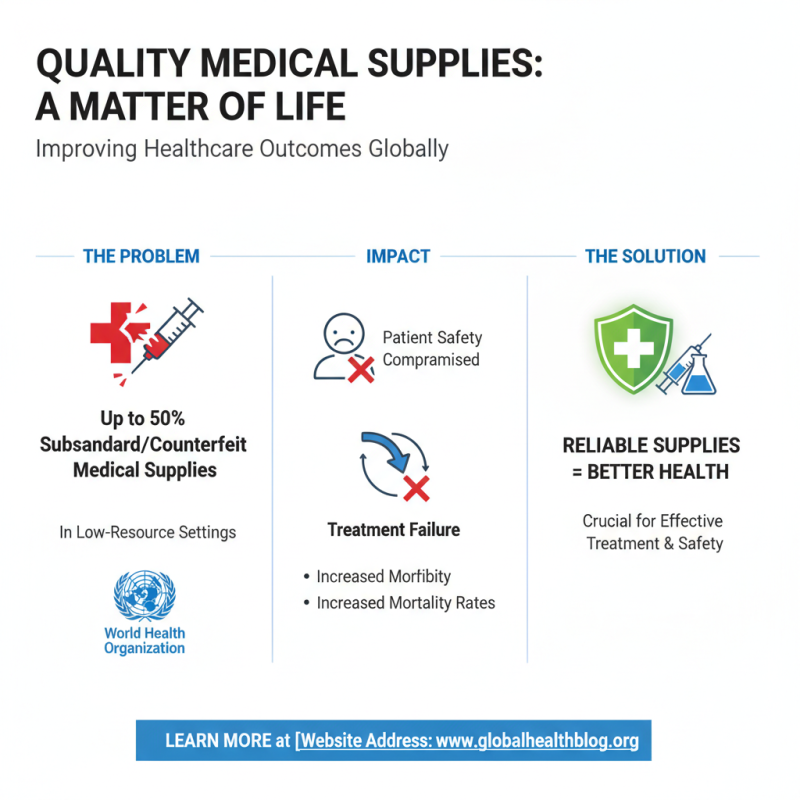
Quality medical supplies play a vital role in healthcare outcomes. According to a report by the World Health Organization, up to 50% of medical supplies in low-resource settings are either substandard or counterfeit. This compromises patient safety and treatment efficacy. Without reliable supplies, treatment plans may fail, leading to increased morbidity and mortality rates.
Effective management of medical supplies can significantly improve healthcare delivery. A study published in the Journal of Health Management noted that hospitals with robust supply chains reduce patient wait times by more than 30%. They also reported fewer incidents of medical errors. However, many facilities still grapple with outdated inventory systems and lack of training. These issues hinder timely access to essential supplies.
Investment in quality medical supplies is crucial. The Centers for Disease Control and Prevention (CDC) states that better supply chain practices can lead to savings of up to 25% in operational costs. Yet, the challenge remains. Many health systems overlook the need for continuous evaluation and improvement in their supply chain practices. Failure to adapt can have dire consequences for patient care and overall healthcare quality.
Challenges in the Supply Chain of Medical Supplies
The supply chain of medical supplies faces many challenges that can impact healthcare delivery. Disruptions can occur due to natural disasters, pandemics, or geopolitical tensions. These disruptions often lead to shortages. Hospitals and clinics may struggle to procure the necessary supplies, affecting patient care. When critical items are missing, treatment delays can happen. This delay can lead to worsened health outcomes.
Inventory management is another significant challenge. Many healthcare facilities lack proper systems to track supplies effectively. This can result in overstocking or understocking. Having too much can waste resources. Conversely, not enough supplies lead to dangerous situations. Communication between suppliers and healthcare providers can be flawed. Information about supply levels may not be up to date. This disconnect exacerbates the challenges.
In some regions, regulatory hurdles hinder the import and distribution of medical supplies. Compliance can slow down the process. While regulations are essential for safety, the bureaucratic red tape can lead to long wait times. Inadequate logistic networks also contribute to the issue. Some areas do not have the infrastructure for efficient transportation. Consequently, healthcare facilities may struggle to access essential supplies promptly.
Future Trends in Medical Supplies and Technological Advancements
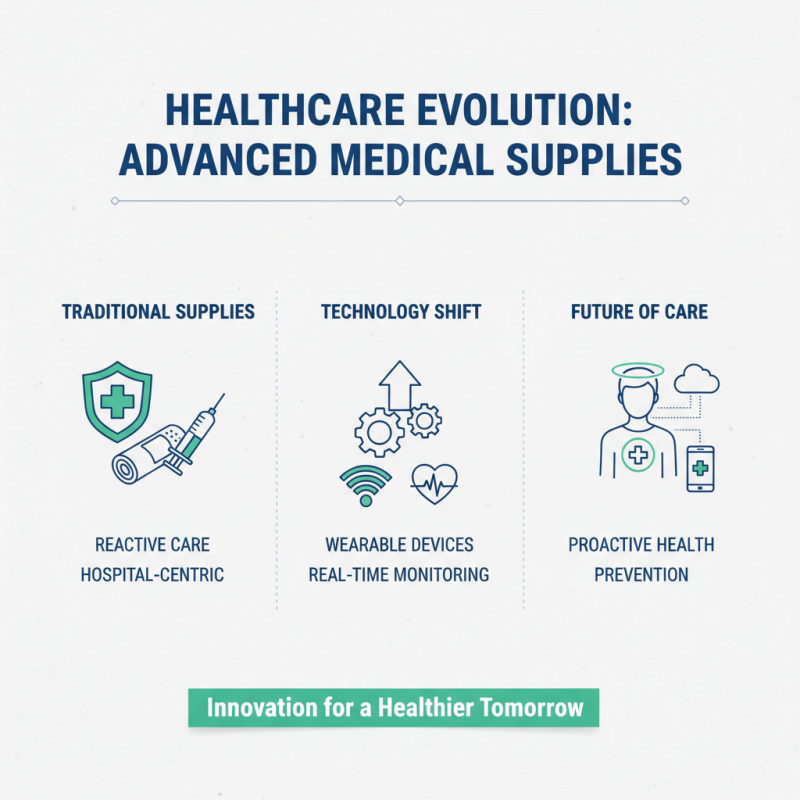
In the rapidly evolving landscape of healthcare, medical supplies play a pivotal role. The rise of advanced technologies is reshaping how we think about these supplies. For instance, wearable devices now monitor patients’ health in real-time. This shift allows for proactive care, preventing complications before they escalate.
At the same time, challenges persist. Not all healthcare facilities can easily adopt new technologies. Integration can be complex and costly. Many practitioners still rely on traditional supplies, raising questions about accessibility. Additionally, not all advancements guarantee better outcomes. Some newer technologies may not be suitable for every patient demographic. The balance between innovation and practicality is crucial.
The future is certainly bright but requires careful navigation. As we embrace these advancements, we must ensure they serve all patients equitably. Healthcare is about people, and technology should enhance, not hinder care. Careful reflection on our systems will help improve medical supply effectiveness.