Why Should You Use a Knee Immobilizer for Injury Recovery?
Injuries to the knee can be painful and debilitating. Recovering from such injuries often requires extra support. This is where a knee immobilizer comes into play. A knee immobilizer stabilizes the joint, limiting movement and preventing further damage. This device helps in reducing pain during the recovery phase.
Using a knee immobilizer can provide a sense of security. It allows individuals to engage in daily activities without fear of aggravating their injury. However, some may find it uncomfortable or restrictive. This can lead to frustration during recovery. Yet, the benefits often outweigh these concerns if used properly.
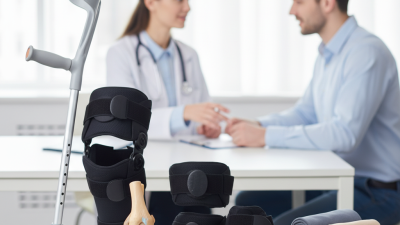
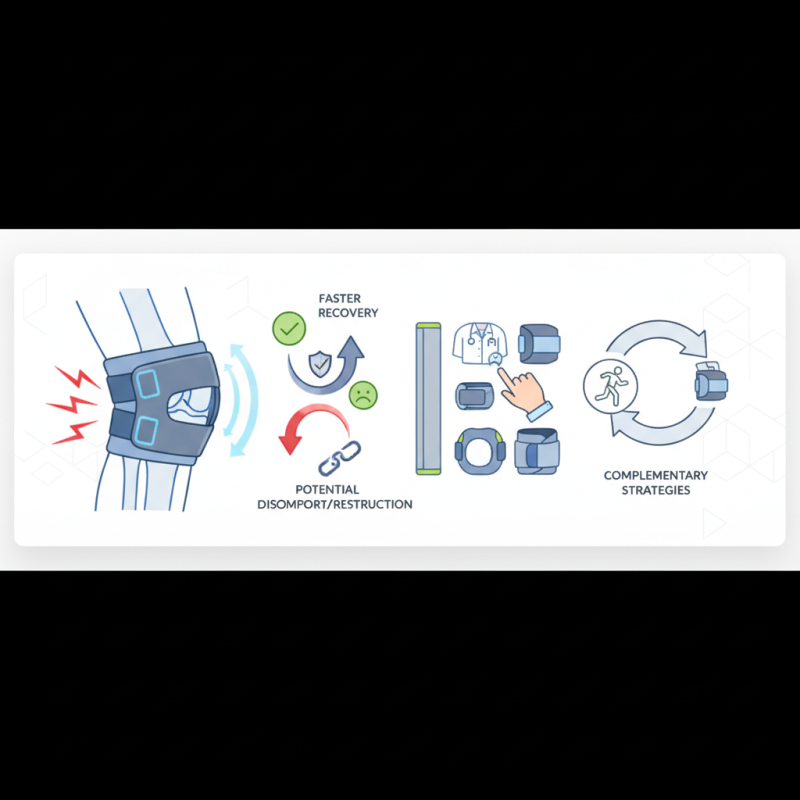
A knee immobilizer is not a one-size-fits-all solution. Different injuries require different types of immobilizers. It’s essential to consult a medical professional to choose the right one. This device can hasten recovery but should complement proper rehabilitation strategies. Being aware of its limitations and challenges can lead to a more effective recovery journey.
Benefits of Using a Knee Immobilizer for Injury Recovery
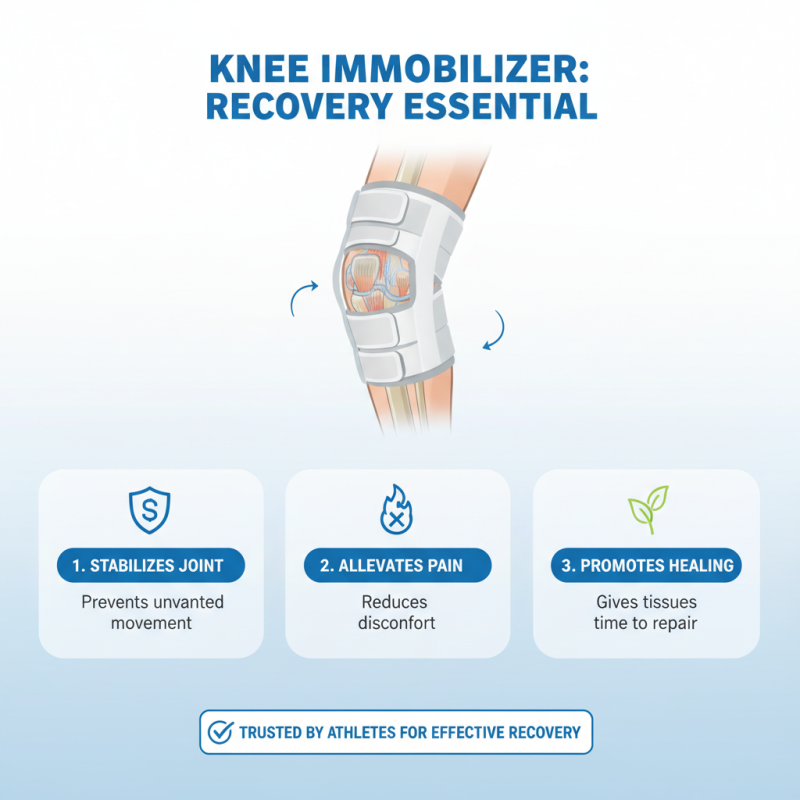
When recovering from a knee injury, a knee immobilizer can be a crucial tool. It stabilizes the joint, preventing unnecessary movement. This support can alleviate pain and promote healing. By restricting motion, it gives the ligaments and tendons time to repair. Many athletes swear by its effectiveness during recovery.
Additionally, a knee immobilizer enhances your confidence. With the knee supported, you may feel more secure while moving. This psychological boost can be essential for mental recovery. You might be tempted to push through discomfort, but listening to your body is vital. Overexerting yourself could lead to setbacks.
A knee immobilizer also encourages proper alignment. Keeping the knee in the correct position helps in rehabilitation. You may notice improvements in flexibility as you heal. However, it’s important to reflect on when to transition out of the immobilizer. Gradually reintroducing movement is key.
Types of Knee Injuries that Require Immobilization
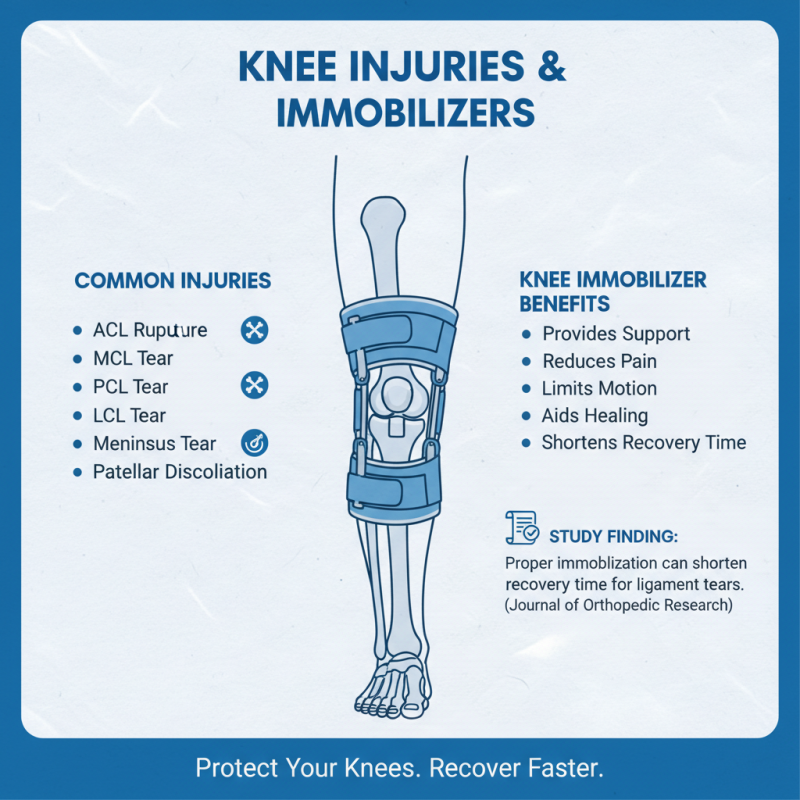
Knee injuries can be quite common, especially among athletes. A knee immobilizer may be necessary for severe injuries. Certain types of injuries often require this type of support. For instance, ligament tears, like ACL ruptures, can benefit significantly from immobilization. According to a study published in the Journal of Orthopedic Research, properly immobilizing such injuries can shorten recovery time.
Another type of injury is a patellar dislocation. This injury can lead to instability in the knee. Studies show that immobilizing the knee can help realign the patella and allow for better healing. In these cases, using an immobilizer is essential for rehabilitation. A report from the American Academy of Orthopaedic Surgeons states that 20% of knee injuries may lead to chronic issues without proper support.
Fractures are also a serious concern. When the knee cap or surrounding bones fracture, immobilization prevents further damage. Evidence from the National Institute of Health indicates that effective immobilization reduces the risk of complications. Knee immobilizers offer the stability that injured areas need to heal correctly. However, over-relying on these supports can lead to muscle atrophy. Balancing rest with rehabilitation exercises is crucial during recovery.
How a Knee Immobilizer Supports the Healing Process
A knee immobilizer can significantly aid in the recovery from various knee injuries. It restricts movement, allowing the injured area to heal more effectively.
When the knee is held steady, it reduces stress on the ligaments and cartilage. This can prevent further damage during the critical healing phase.
Using a knee immobilizer also promotes better blood flow to the injured area. Improved circulation speeds up recovery while reducing swelling. Wearing it may feel uncomfortable at first, creating a need for adjustment. However, this discomfort often masks the long-term benefits of stability.
Some individuals struggle with the idea of limited mobility. It can be frustrating, especially when daily tasks become challenging. Yet, patients often find that adapting to the immobilizer becomes easier over time. They realize it is a necessary step towards full recovery. Embracing the healing process, despite temporary setbacks, is vital for long-term wellness.
Proper Usage and Adjustment of Knee Immobilizers
Knee immobilizers play a vital role in injury recovery. They are designed to stabilize the knee, reduce movement, and promote healing. Proper usage of these devices is crucial for effectiveness. Studies show that adequate immobilization can reduce healing time by 30%. However, improper adjustment might lead to discomfort or ineffective recovery.
When using a knee immobilizer, adjust the straps snugly but not too tight. A common mistake is over-tightening, which can restrict circulation. It’s important to ensure the immobilizer fits well across the knee joint. Aim for a secure fit without excessive pressure. Regularly check for signs of swelling or numbness. This can signal a need for readjustment.
Many users underestimate the need for proper positioning. It’s essential that the immobilizer is aligned with the anatomical structure of the leg. Incorrect alignment may lead to uneven healing. Consider consulting healthcare professionals during the adjustment process. Collect feedback about comfort and mobility levels. Adjustments based on this feedback can enhance the healing experience significantly.
Potential Risks and Considerations When Using Knee Immobilizers
Knee immobilizers are often recommended for injury recovery. However, there are potential risks and considerations to keep in mind. One primary concern is prolonged immobilization. While immobilizers support stability, they can lead to muscle atrophy over time. Reduced movement can weaken surrounding muscles. This can delay recovery, making rehabilitation challenging.
Skin issues are another consideration. Wearing an immobilizer for extended periods can cause irritation or pressure sores. It’s crucial to maintain proper hygiene. Skin checks are necessary to detect problems early. If discomfort arises, adjustments may be needed to ensure proper fit.
Ultimately, using a knee immobilizer should not be a long-term solution. Balance is vital. Gradual movement and strengthening exercises are essential for complete recovery. Regular consultations with a healthcare professional are advisable. They can guide you on when to transition away from immobilization.