What is Medical Rental Equipment and How Can It Benefit Patients?
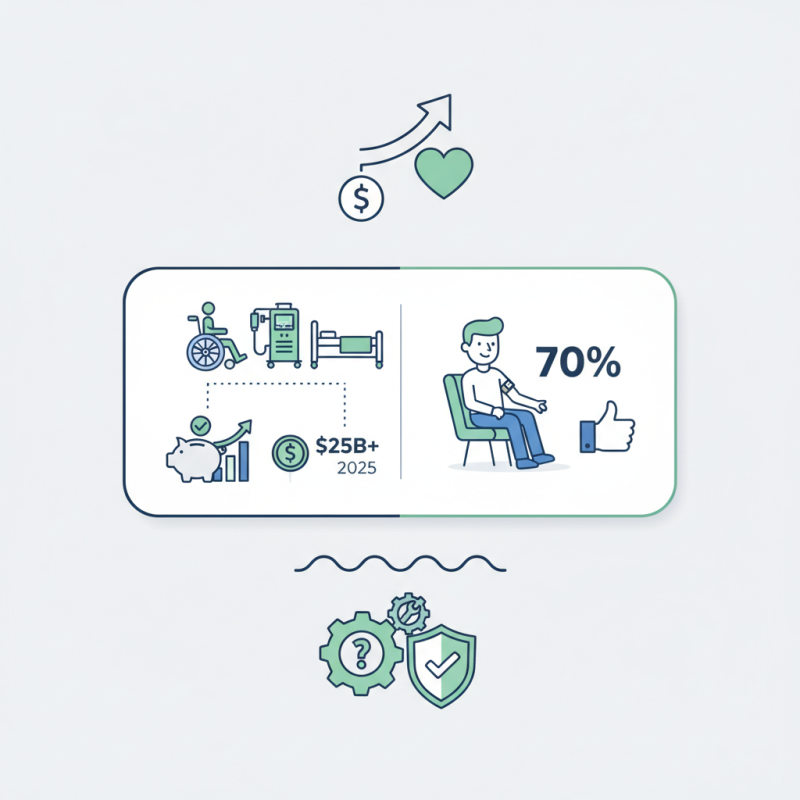
Medical rental equipment is becoming a vital resource for patients who need temporary access to healthcare devices. A report from the Global Healthcare Rental Market suggests that the market is expected to grow significantly, reaching a valuation of over $25 billion by 2025. This growth reflects an increasing demand for affordable healthcare solutions. Patients often face high costs related to purchasing medical equipment. Renting can alleviate this burden while providing access to necessary tools, such as wheelchairs and oxygen concentrators.
These devices enhance patient care and improve recovery outcomes. A study by the Healthcare Financial Management Association indicated that 70% of patients using medical rental equipment reported increased satisfaction with their care. However, potential challenges remain. The quality of rental services can vary widely. Some providers may not maintain their equipment properly, leading to potential risks for patients. It is crucial for patients to vet rental companies thoroughly to ensure reliability and safety.
Incorporating medical rental equipment into patient care models not only aids individuals but also enhances healthcare systems' efficiency. By enabling easier access, these services can contribute to better health outcomes. Nevertheless, ensuring a system of accountability for equipment quality is essential for maintaining trust in medical rental services. This evolving sector highlights the need for continuous improvement and oversight in the ever-changing landscape of healthcare.
What is Medical Rental Equipment?
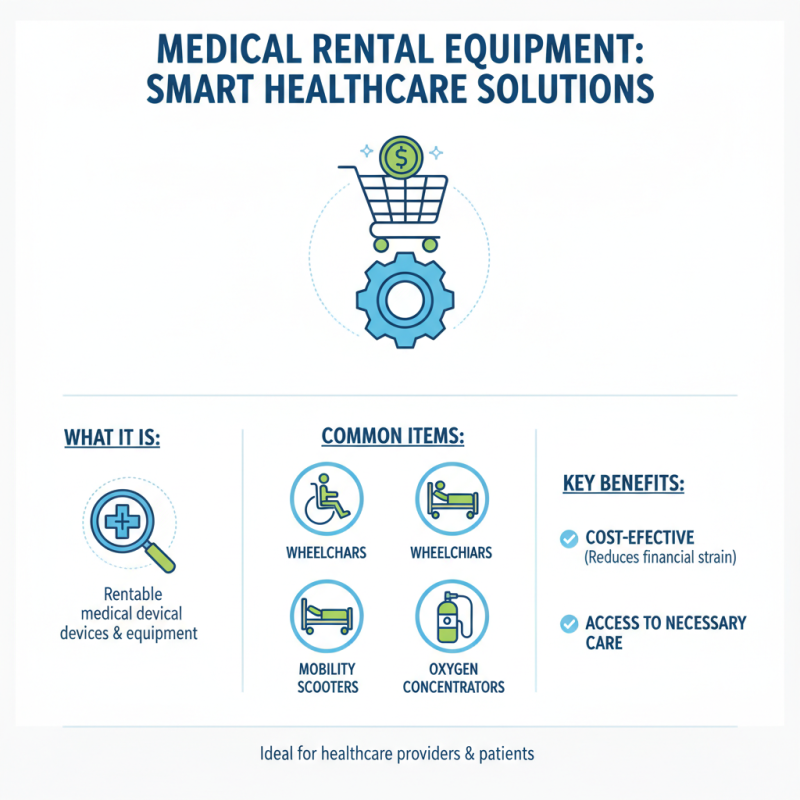
Medical rental equipment refers to various types of medical devices and equipment that can be rented rather than purchased. This approach is particularly useful in healthcare settings, where costs need to be managed efficiently. Items often include wheelchairs, mobility scooters, hospital beds, and oxygen concentrators. Renting these devices allows healthcare providers and patients to reduce financial strain while still accessing necessary care solutions.
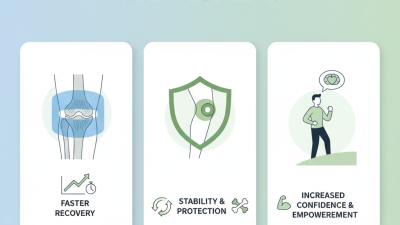
For patients, renting medical equipment can significantly enhance their quality of life. It ensures they have access to essential tools during recovery or rehabilitation. This flexibility is beneficial, especially when the duration of need is uncertain. Some patients may not require equipment for an extended period, making rental a sensible choice. However, the rental process can sometimes be cumbersome. It may include paperwork and waiting periods that can frustrate patients in need.
Moreover, not all rental services are created equal. Patients need to do their research to find reputable providers. Quality and maintenance of the equipment are crucial for safety and effectiveness. Even when renting, patients should expect high standards, as improper maintenance can lead to adverse outcomes. In this way, healthcare professionals and patients must stay informed, ensuring that the rental choices are both practical and reliable.
Types of Medical Equipment Available for Rental
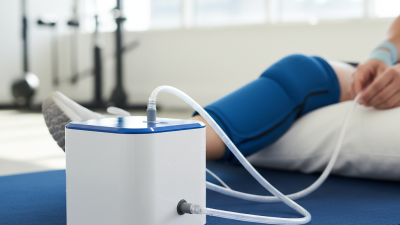
Medical rental equipment plays a crucial role in patient care. Patients may need specialized equipment temporarily due to surgery, illness, or recovery. Renting can be a practical option, saving costs and ensuring access to the necessary tools.
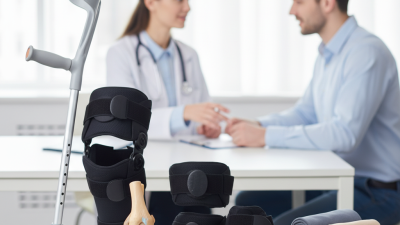
Common types of medical equipment available for rental include wheelchairs, hospital beds, and mobility aids. Wheelchairs provide essential mobility for individuals recovering from surgery or managing chronic conditions. Hospital beds can adjust positions for comfort and medical needs. Mobility aids, like walkers and crutches, support independence during recovery.
**Tips:** Always consult your healthcare provider when choosing rental equipment. They can recommend what will benefit you most. Check if the rental company offers maintenance services. Equipment should be safe and functional. Ensure you understand the rental terms. Hidden fees can occur; clarify costs upfront. Being informed can lead to a smoother rental experience.
Types of Medical Equipment Available for Rental
This chart illustrates the number of medical equipment rentals per month, highlighting the variety of equipment available for patients in need. Renting medical equipment can provide flexibility, reduce the financial burden of purchasing, and ensure access to necessary medical aids for better care.
Benefits of Renting Medical Equipment for Patients
Renting medical equipment offers numerous benefits for patients. It can ease the financial burden associated with healthcare costs. According to a report by the Medical Device and Diagnostic Industry (MD+DI), the rental market for medical equipment is expected to grow by 5.4% annually through 2026. This growth reflects a rising awareness of the advantages rental options provide, especially for patients with temporary needs.
Patients often face situations where buying equipment is impractical. For instance, individuals recovering from surgery may need a wheelchair only for a few weeks. Renting allows access to essential tools without the high upfront costs and maintenance worries. A study conducted by the National Institute of Health indicates that 70% of patients prefer renting to purchasing due to ease of access and reduced financial strain.
However, it's important to carefully consider rental terms and conditions. Patients may find hidden fees or unclear policies about equipment return. Being informed can help avoid potential pitfalls. Ultimately, the choice to rent medical equipment can significantly enhance a patient's recovery experience, offering flexibility and financial relief.
How to Choose the Right Medical Rental Equipment
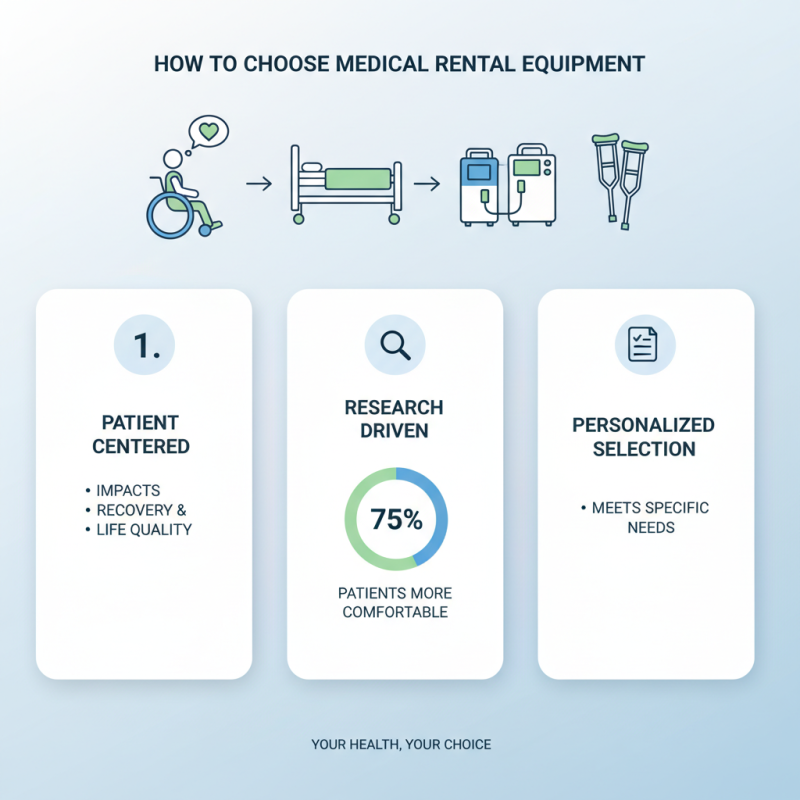
Choosing the right medical rental equipment is crucial for patient care. It can significantly impact recovery and quality of life. Research indicates that 75% of patients feel more comfortable using rented equipment, as it meets specific needs. This emphasizes the importance of personalized selection.
When selecting equipment, assess the patient’s medical condition. For example, respiratory therapy may require different devices compared to mobility aids. Report by the American Association for Homecare states that 42% of patients benefited from customized equipment tailored to their health needs. Consulting healthcare professionals can provide valuable insights into appropriate choices.
Consider the duration of use. Short-term rentals can be economical for post-surgery recovery, while long-term rentals may suit chronic conditions. Keep in mind that proper training on equipment usage can elevate patient safety. It's vital to ensure the equipment is maintained and meets quality standards. Be aware that rental equipment may not always be in pristine condition. Regular checks can prevent complications. Balancing cost, quality, and patient comfort is essential.
Cost Considerations and Insurance Coverage for Rentals
Medical rental equipment provides vital support for patients requiring temporary medical devices. Understanding cost considerations is essential for making informed decisions. Renting equipment can often be more affordable than purchasing outright. A report from the Healthcare Equipment Rental Association (HERA) indicates that 70% of patients prefer renting due to reduced upfront costs. Patients save money on equipment storage and maintenance.
Insurance coverage plays a significant role in rental decisions. Many private insurers and Medicare provide coverage for medical rentals, albeit with specific conditions. A study from the National Institute of Health shows that 45% of patients believe they have limited knowledge about their insurance benefits for rentals. This gap can lead to unexpected out-of-pocket expenses. Patients are encouraged to consult their insurance providers before renting equipment.
While renting equipment offers flexibility, it may come with challenges. Users must ensure that rented items meet their needs. The quality and condition of equipment can vary by rental company. Some patients express concerns about hygiene and safety standards. It's crucial for patients to research and choose trusted suppliers to avoid complications. Engaging with healthcare professionals for recommendations can also enhance the rental experience.
What is Medical Rental Equipment and How Can It Benefit Patients? - Cost Considerations and Insurance Coverage for Rentals
| Equipment Type |
Average Monthly Rental Cost |
Common Use Cases |
Insurance Coverage |
| Hospital Bed |
$200 |
Post-surgery recovery, chronic illness care |
Often covered with a prescription |
| Wheelchair |
$75 |
Mobility assistance |
Typically covered under DME benefits |
| Oxygen Concentrator |
$150 |
Respiratory support |
Usually covered with prior authorization |
| Patient Lift |
$100 |
Assistance in moving patients |
Sometimes covered; check with insurer |
| CPAP Machine |
$120 |
Sleep apnea treatment |
Often covered if prescribed |