How to Use a Breg Polar Care Cube Safely?

Safe cold therapy is not simply a matter of adding ice and pressing a button. The breg polar care cube delivers chilled water through a therapeutic pad, helping manage pain and swelling after selected orthopedic procedures. However, the device must be used according to the surgeon’s instructions and Breg’s model-specific manual. Small mistakes matter. A twisted hose, an over-tightened wrap, or prolonged skin exposure can create avoidable risks.

Professional guidance supports careful use, not careless use. The American Academy of Orthopaedic Surgeons explains that cold therapy may reduce postoperative pain and swelling when applied with skin protection and clinical supervision. A systematic review published in the Journal of Athletic Training also reported potential pain-relief benefits from cryotherapy, while noting that treatment protocols and evidence quality vary. That uncertainty deserves attention. A cold sensation does not always mean effective treatment.

This guide explains practical safety checks before, during, and after using a breg polar care cube. Readers will learn how to inspect the pad, position the wrap without restricting circulation, and monitor skin color, sensation, and comfort. Keep the pad’s fabric barrier in place. Check the treatment area regularly. Stop immediately if numbness, burning, blotchy skin, unusual pain, or worsening swelling appears, and contact a qualified healthcare professional when needed. Never treat this article as a replacement for postoperative instructions. Clinical advice can differ between knee, shoulder, ankle, and other procedures. That detail is easy to overlook.
How to Use a Breg Polar Care Cube Safely?

Understand the Breg Polar Care Cube and Its Safety Purpose

A cold therapy cube is designed to reduce pain and swelling after surgery or injury. It circulates chilled water through a connected pad. This provides controlled cooling without placing loose ice directly on the skin. The safety purpose is simple: support comfort while reducing cold-related skin damage.

Use the prescribed pad size and follow your clinician’s instructions. Place a thin, dry cloth between the pad and your skin. Check the area every 30 minutes for unusual redness, pale skin, burning, or numbness. Stop use if these symptoms appear. Keep the device upright, and inspect the tubing for kinks or leaks. Do not use it while sleeping unless a qualified professional specifically approves it. People with poor circulation, reduced sensation, diabetes, or cold sensitivity may need extra guidance. A small mistake, such as tightening the wrap too much, can cause problems.

Tips: Keep the water cool, not frozen solid. Empty and clean the unit as directed. Never add chemicals or medications to the reservoir. Keep electrical parts away from spilled water. If swelling, pain, or skin changes worsen, contact your healthcare provider promptly. The instructions may feel repetitive, but that repetition protects you.

How to Use a Breg Polar Care Cube Safely?

Understand Cold-Therapy Safety and Its Purpose

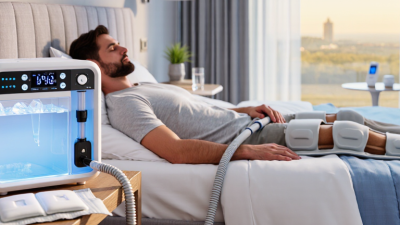
Cold therapy is intended to help reduce pain and swelling after injury or surgery. During use, keep a protective cloth barrier between the cooling pad and skin, check the skin and circulation regularly, and stop treatment if numbness, excessive redness, pale or bluish skin, blistering, or increasing pain occurs. Follow the healthcare professional’s instructions because monitoring intervals and treatment duration may vary.

Check the Equipment, Supplies, and Skin Before Use

How to Use a Cold Therapy Cube Safely?

Before using a cold therapy cube, inspect every part in good light. Check the power cord, plug, tubing, lid, straps, and water chamber. Do not use cracked plastic or leaking connections. The U.S. Food and Drug Administration warns that damaged medical equipment can increase injury risk. Wash your hands for at least 20 seconds, as recommended by the Centers for Disease Control and Prevention. Clean water matters too. Fresh, cool water is safer than questionable water from an unclean container.

Examine the skin around the treatment area before applying the pad. Look for cuts, swelling, redness, numbness, or unusual paleness. Avoid placing cold directly on bare skin. Use the supplied cover, or a clean, dry cloth with similar protection. The American Academy of Orthopaedic Surgeons advises monitoring skin condition during cold therapy, especially after surgery. Start with a short session, such as 15 to 20 minutes, unless a clinician gives different instructions. Check the skin again afterward.

Stop immediately if burning, sharp pain, blotchy color, or persistent numbness appears. Tell a healthcare professional if symptoms continue. Never fall asleep while the device operates. This is easy to underestimate. A 2023 review in the Journal of Athletic Training noted that cold exposure can help pain and swelling, but excessive duration may harm skin and nerves. In practice, users often focus on the ice and forget the skin. I do that mentally too, so a phone reminder can prevent a careless mistake.

Fill and Connect the Polar Care Cube Correctly

How to Use a Cold-Compression Therapy Cube Safely?

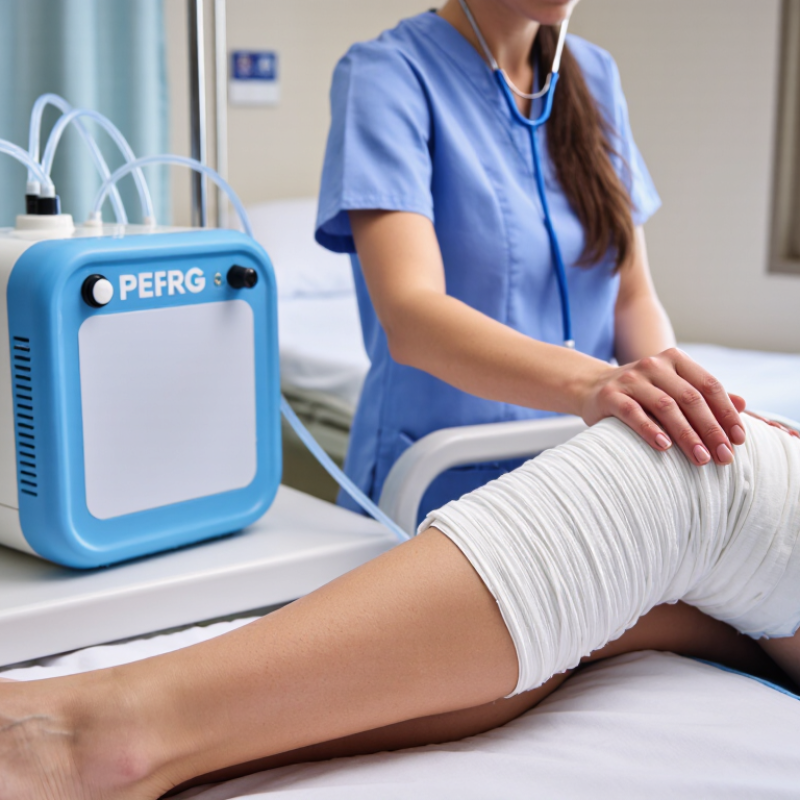
Fill and connect the therapy cube correctly before placing the pad on your skin. Wash and dry your hands. Open the lid on a stable surface. Add cold water first, then ice, and stay below the maximum fill line. Overfilling can force water into the tubing. Close the lid firmly. Check the connector for dust, cracks, or moisture. Attach the pad until it clicks. The flow should feel steady, not forceful.

A 2023 systematic review in the Journal of Clinical Medicine found that cold therapy can reduce early postoperative pain, although results varied between studies. It is helpful, but not magic.

Tips

Wrap the pad in a thin cloth. Check your skin every 30 minutes. Stop if you notice numbness, pale skin, burning, or unusual swelling. Do not sleep while connected unless your clinician specifically approves it.

The CDC reports that about one in 31 hospital patients has a healthcare-associated infection on any given day, so clean hands and clean connectors matter.

I sometimes see users focus on ice quantity and ignore tubing position. That is a mistake. Keep the tube unkinked and below the pad when possible. Follow your clinician’s timing instructions, because longer cooling is not automatically safer.

Apply the Therapy Pad and Monitor Treatment Safely

Before applying the therapy pad, check the skin for cuts, swelling, unusual color, or reduced sensation. Clean and dry the area gently. Place a thin cloth barrier between the pad and your skin. Direct contact can cause excessive cold exposure.

Fill the therapy unit according to its instructions, then connect the pad without twisting the tubing. The pad should feel cool, not painfully cold. Keep the treated limb supported and inspect the skin every 15 to 20 minutes.

Look for blotchy whiteness, burning, numbness, or increasing pain. Stop treatment immediately if these signs appear. Do not sleep while using the device.

Follow the treatment time prescribed by a healthcare professional. People with poor circulation, diabetes, nerve problems, or reduced sensation may need individual guidance. Keep the unit upright to reduce leakage, and check the connections before moving.

A common mistake is tightening the wrap too much. It should feel secure, but fingers or toes must remain warm and normally colored. If symptoms worsen or the skin does not return to its usual appearance, contact a qualified clinician promptly. It is tempting to extend treatment when swelling remains, but longer is not always safer.

Clean, Store, and Recognize When to Seek Medical Help

How to Use a Cold Therapy Cube Safely

After each session, unplug the cold therapy unit and empty the water reservoir. Wipe the pad, hoses, and exterior with a soft cloth. Use mild soap and clean water unless the manufacturer’s instructions say otherwise. Do not soak electrical parts. Let everything air-dry completely before storage. A damp pad can develop an unpleasant odor or encourage bacterial growth. I once rushed this step, and the equipment stayed wet longer than expected.

Tips: Check the pad, tubing, and connector for cracks before every use. Store the unit in a cool, dry cabinet away from direct sunlight. Keep it out of children’s reach. Never place the device near a heater, and avoid folding the pad sharply. Follow the prescribed treatment time, even when the cold feels soothing. More cooling is not always better.

Remove the pad immediately if your skin becomes very pale, bluish, numb, blistered, or intensely painful. Seek medical advice for worsening swelling, spreading redness, drainage, fever, or pain that feels unusual. These signs may indicate circulation problems, infection, or another complication. People with reduced sensation, circulation disorders, or diabetes should ask a healthcare professional before use. When uncertain, stop the session and contact your clinician. That pause can prevent a small concern from becoming a serious one.

How to Use a Breg Polar Care Cube Safely? - Clean, Store, and Recognize When to Seek Medical Help

Safety Area Recommended Practice Why It Matters When to Stop or Escalate
Before first use Read the supplied instructions and follow the treatment schedule provided by the clinician. Inspect the pad, tubing, connectors, and power cord for cracks, leaks, kinks, or loose parts. A damaged system may leak, fail to circulate water, or create an electrical hazard. Do not use damaged equipment. Contact the supplier or healthcare professional for replacement guidance.
Skin protection Keep a clean, dry cloth or prescribed dressing between the cooling pad and skin unless a clinician specifically instructs otherwise. Do not place the pad over open wounds unless directed. A barrier helps reduce the risk of cold injury, skin irritation, and moisture-related damage. Stop if the skin becomes pale, bluish, blotchy, unusually hard, numb, blistered, or painful.
Treatment duration Use the device only for the duration and frequency prescribed. Check the skin and sensation regularly, especially during the first treatment and when sleeping or resting. Too much cold exposure can cause tissue injury even when the device feels comfortable initially. Stop treatment and seek professional advice if normal skin color or sensation does not return after the pad is removed.
Water and ice preparation Use clean, cool water and ice according to the device instructions. Do not overfill the reservoir, block the air vent, or place the unit where it can tip over. Correct filling supports circulation and helps prevent spills or pump problems. Unplug the unit and stop using it if water leaks near electrical components or the pump makes an unusual noise.
Positioning Place the pump on a stable, dry surface. Keep tubing free of twists and avoid lying or sitting on the tubing. Do not use the device while driving. Good positioning promotes water flow and reduces the risk of leakage, pressure, or accidental disconnection. Pause treatment if circulation stops, the pad becomes excessively cold, or the tubing disconnects.
Higher-risk users Ask a healthcare professional before use if you have reduced sensation, poor circulation, diabetes, vascular disease, cold sensitivity, or difficulty communicating discomfort. These conditions may make it harder to feel excessive cold or recover from cold-related skin injury. Use only with individualized medical instructions and more frequent skin checks when advised.
Cleaning after use Unplug the pump, empty remaining water, and wipe the exterior and pad with a clean, slightly damp cloth. Follow the manual for approved cleaning products and connector care. Routine cleaning reduces residue, odor, and contamination while protecting the materials. Do not immerse the pump, use abrasive cleaners, or pour disinfectant into the reservoir unless specifically approved.
Drying Allow the pad, tubing, and reservoir opening to air-dry completely before storage. Keep electrical connections dry. Drying helps limit microbial growth, mildew, and corrosion. Do not store the system while damp, leaking, or showing visible contamination.
Storage Store the clean, dry system in a cool, dry location away from direct sunlight, heat sources, pets, and children. Keep tubing loosely coiled without sharp bends. Appropriate storage helps prevent material damage and preserves reliable circulation. Replace components that become brittle, cracked, permanently kinked, or unable to maintain a secure connection.
Possible cold injury Remove the pad immediately if there is increasing pain, burning, marked numbness, unusual discoloration, swelling, or blistering. These may indicate excessive cooling or tissue injury rather than normal therapeutic effects. Seek prompt medical advice, especially if symptoms persist, worsen, or involve blistering or loss of sensation.
Possible infection Monitor the treated area for spreading redness, warmth, pus, worsening swelling, increasing tenderness, or fever. These signs can occur with an infection or a complication requiring assessment. Contact a healthcare professional promptly; seek urgent care for rapidly spreading redness, severe pain, confusion, or difficulty breathing.
Electrical or mechanical problem Keep the pump away from standing water and use only the specified power supply. Stop operation before reconnecting tubing or checking the reservoir. This reduces the risk of electric shock, pump damage, and accidental water release. Unplug immediately for sparks, smoke, overheating, exposed wires, repeated pump failure, or fluid near the power connection.

Important: This table provides general safety information and does not replace the device instructions or advice from a qualified healthcare professional.