China Top 10 Medical Equipment Suppliers for Global Buyers?
China is a significant player in the global medical equipment market. The country has a growing number of suppliers that cater to various healthcare needs. These suppliers offer a range of products, from diagnostic machines to surgical tools. Their technological advancements and competitive pricing make them appealing to buyers worldwide.
Many Chinese manufacturers are known for their innovation and quality control. However, potential buyers should be cautious. Not all suppliers meet international standards. It is crucial to verify certifications and explore customer feedback thoroughly. Engaging with trusted suppliers can mitigate risks associated with quality.
China's medical equipment sector continues to evolve rapidly. This opens doors for global partnerships. Buyers must seek out suppliers who demonstrate both reliability and expertise. A well-informed approach is vital in navigating this dynamic market.
Overview of China's Medical Equipment Industry
China's medical equipment industry has seen substantial growth. In 2022, the market value reached over $80 billion. This growth reflects the rising demand for advanced medical devices and technologies. The Chinese government supports innovation through various funding initiatives. This proactive approach enhances the industry's global competitiveness.
However, challenges exist. Quality control remains a significant issue for some manufacturers. Inconsistent regulations can lead to varying product standards. Potential buyers must consider these factors when sourcing equipment. Industry reports indicate that while China produces a vast array of devices, not all meet international certification standards. This gap can affect buyer trust globally.
The evolving landscape requires constant adaptation. As global healthcare needs change, the industry must innovate. Companies investing in research and development are likely to lead the market. In 2021, around 15% of medical equipment firms in China focused on developing new technologies. This emphasis on innovation is critical for meeting future demands in healthcare.
Criteria for Selecting Top Medical Equipment Suppliers
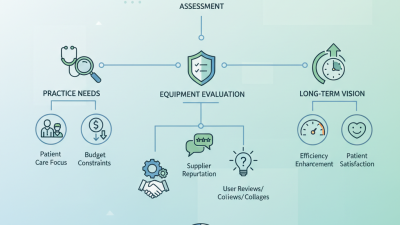
When selecting top medical equipment suppliers in China, buyers should focus on several key criteria. Quality assurance stands out as a primary consideration. According to a recent report by Market Research Future, the medical device industry is anticipated to grow at a CAGR of 5.4%, emphasizing the need for reliable products. Evaluating certifications, such as ISO and CE marks, can help ensure that the equipment meets international standards.
Another essential factor is innovation in product offerings. A report from Deloitte highlights that companies investing in R&D often lead in market competitiveness. This involves not only advanced technology but also efficient manufacturing processes. Suppliers that embrace new technologies tend to have better performance metrics.
Cost-effectiveness is important too. A balance between competitive pricing and quality is crucial for global buyers. Understanding total cost of ownership helps in making informed decisions.
Buyers should also consider after-sales support. Ensuring that a supplier provides training and maintenance can prevent future issues. Reflecting on these criteria can lead to better purchasing experiences.
Identifying the right supplier can be challenging. However, staying informed about market trends and diversifying supplier options may offer potential benefits for buyers.
Top 10 Medical Equipment Suppliers in China
China has become a leading player in the medical equipment sector. Many global buyers look for reliable suppliers in this growing market. Here are some noteworthy options you should consider.
These suppliers offer a wide range of products. From diagnostic instruments to surgical tools, the variety is extensive. Some manufacturers focus on innovative technology while others prioritize cost-effectiveness. Navigating this landscape can be challenging. Keep an eye out for companies that demonstrate quality assurance practices. This can indicate a commitment to reliability and safety.
When sourcing medical equipment, attention to detail is crucial. Don’t overlook the importance of regulatory compliance. Ensure that the suppliers you consider meet international standards. It's also wise to check customer reviews and ask for references. Many factors contribute to a supplier's reputation. This includes years of experience, customer service, and the ability to provide after-sales support.
Finding the right partner may take time. It's essential to explore multiple options before making a decision. Be prepared for potential setbacks. Learning from these experiences can guide you towards better choices in the future.
Key Products and Innovations from Leading Suppliers
China's medical equipment industry is booming, with numerous suppliers offering innovative products. These range from imaging technologies to surgical instruments. Leading manufacturers focus on integrating smart technologies into their devices. For instance, many now feature AI capabilities for enhanced diagnostics. This development can streamline processes and improve patient outcomes.
Some suppliers are making strides in wearable health devices. These gadgets can monitor vital signs in real-time. They enable proactive healthcare, allowing patients and doctors to make informed decisions. The challenge lies in ensuring data security and device reliability. While innovations are promising, concerns remain about their long-term accuracy and integration into existing healthcare systems.
Quality control is also a critical focus for top suppliers. Rigorous testing processes are essential before a product reaches the market. However, inconsistencies in standards can sometimes lead to issues. It’s imperative for buyers to thoroughly assess the suppliers’ compliance with international regulations. Transparency in product development and feedback from healthcare professionals can enhance trust in these innovative devices.
Challenges and Opportunities for Global Buyers in China
Navigating the Chinese medical equipment market presents both challenges and opportunities for global buyers. The growing demand for medical devices in China is well-documented. According to a report by the Chinese National Health Commission, the market for medical devices reached approximately $83 billion in 2021, with a projected growth rate of 8% annually. This growth signifies ample opportunities for importers and suppliers alike.
However, there are significant challenges. The regulatory environment can be complex and perplexing. Companies seeking to enter this market must navigate various regulations and standards. A report from the Medical Device Innovation Consortium highlights that about 40% of international companies have faced unexpected regulatory hurdles. Understanding local compliance requirements is crucial to avoid delays and potential losses.
Cultural differences also present a challenge. Building relationships is vital in Chinese business culture. Buyers often find the negotiation process lengthy and complicated. Language barriers can further complicate communication. Yet, the potential for innovation and collaboration draws many to forge ahead. Establishing a local presence or partnership may ease these issues and create a pathway for success.
China Top 10 Medical Equipment Suppliers - Key Metrics Visualization