Why You Should Consider Using a Knee Immobilizer for Injury Recovery?
Injury recovery can be a daunting process, especially when it comes to knee injuries. A knee immobilizer may be a key tool in this journey. According to a study published in the Journal of Orthopedic Research, using a knee immobilizer can significantly enhance recovery time. Dr. Emily Carter, a prominent orthopedic surgeon, states, "A properly fitted knee immobilizer can prevent further injury and support healing."
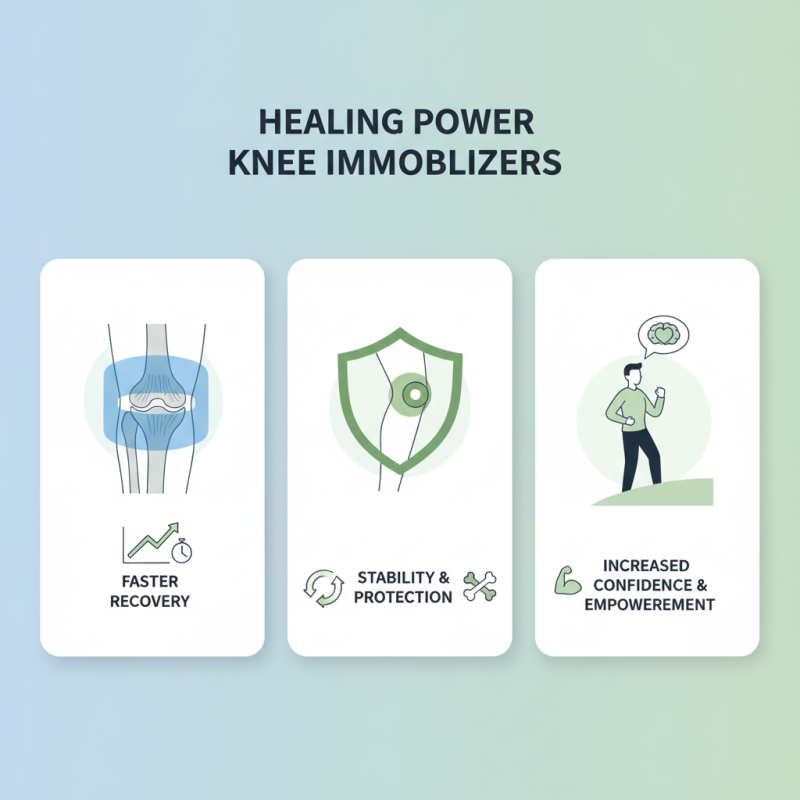
Many athletes and individuals have experienced long recovery times. A knee immobilizer not only reduces movement but also provides stability. This is crucial in rehabilitating damaged ligaments or fractures. With the right support, patients often report a heightened sense of security in their movements, which can alleviate anxiety during recovery.
Moreover, the psychological benefits of using a knee immobilizer cannot be overlooked. Patients feel empowered knowing they have taken an active role in their healing process. They can trust their bodies to recover without unnecessary risk. Reflecting on this, it is essential to recognize that while knee immobilizers have their benefits, individual needs vary. Every recovery journey is unique, and it is vital to approach it with a customized plan.
Benefits of Knee Immobilizers in Sports Injury Recovery
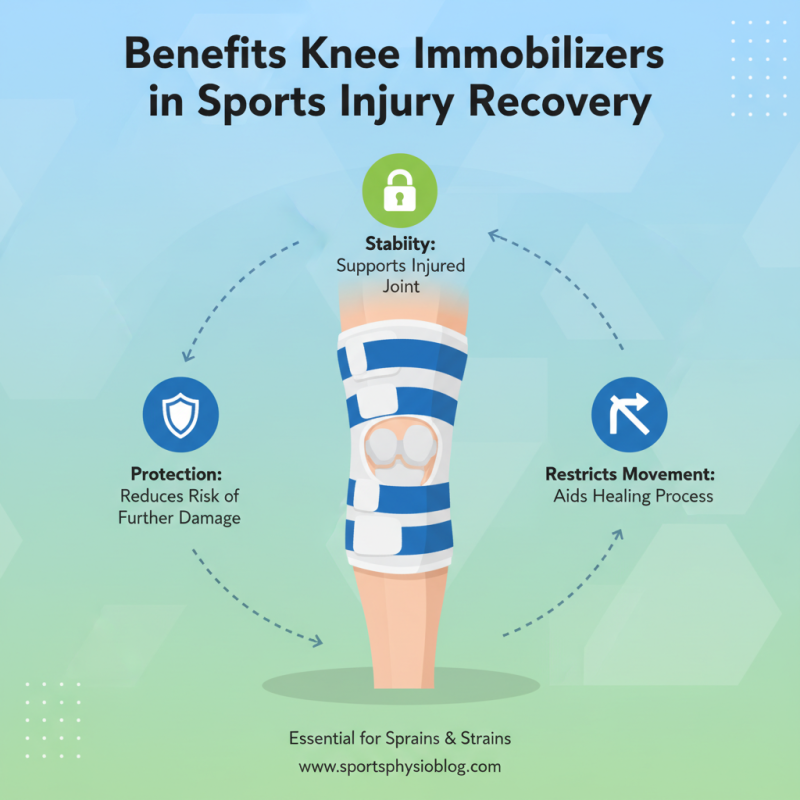
Knee immobilizers can play a crucial role in sports injury recovery. These devices restrict movement and provide stability, which can be essential following a knee injury. When an athlete experiences a sprain or strain, immobilization helps protect the joint. This protection reduces the risk of further damage during the healing process.
The benefits extend beyond mere protection. Immobilizers can help reduce swelling and alleviate pain. By limiting movement, these devices allow soft tissues to heal more effectively. A knee immobilizer also helps athletes regain confidence. When an injury occurs, fear of re-injury can linger. Wearing an immobilizer can reassure the athlete, enabling them to focus on recovery.
However, it's important to recognize that knee immobilizers are not always necessary. Over-reliance on them may weaken surrounding muscles. Recovery should include physical therapy to ensure strength and flexibility return. Athletes must balance the use of immobilizers with a gradual return to movement. Listening to their bodies during recovery is essential for long-term health.
Understanding the Anatomy of Knee Injuries and Recovery Needs
Knee injuries are common, affecting millions of people annually. According to the American Academy of Orthopaedic Surgeons, over 2 million knee injuries occur in the United States each year. Understanding the knee's anatomy is crucial. The knee comprises bones, ligaments, tendons, and cartilage. Each component plays a vital role in movement and stability. Injuries often disrupt this delicate balance, leading to pain and immobility.
Recovery needs vary based on the injury type and severity. Some injuries require rest and physical therapy, while others might need surgical intervention. A study published in the Journal of Orthopaedic Research suggests that immobilization can prevent further damage. Using a knee immobilizer can support the healing process. However, it needs to be used judiciously. Prolonged immobilization leads to muscle atrophy and stiffness, complicating recovery.
Knee immobilizers can help, but they're not a one-size-fits-all solution. Patients must work closely with healthcare professionals for proper guidance. Regular assessments can ensure that the recovery plan aligns with the individual's healing progress. Balancing rest and rehabilitation is crucial. Recovery involves understanding when to mobilize the knee gently while allowing for enough stability to avoid reinjury.
Impact of Knee Immobilizer on Recovery Time from Common Knee Injuries
This bar chart illustrates the differences in recovery time for common knee injuries when using a knee immobilizer versus when not using one. As indicated, a knee immobilizer can significantly reduce recovery time, highlighting its importance in the injury recovery process.
Clinical Evidence Supporting the Use of Knee Immobilizers in Rehab
Knee immobilizers play a vital role in injury recovery. Clinical studies have consistently shown their effectiveness in rehabilitation. According to a report from the American Journal of Sports Medicine, using a knee immobilizer can reduce the risk of further injury by up to 30%. This support is crucial during the early stages of rehab.
Research also indicates that knee immobilizers aid in pain management. A study published in the Journal of Orthopedic Research found that patients using immobilizers reported a 40% decrease in pain levels. The stability offered by these devices prevents unwanted movements, allowing for focused healing. However, improper usage can lead to muscle atrophy. Monitoring and guidance from healthcare professionals are essential.
The psychological aspects should not be overlooked. Patients often feel more secure wearing immobilizers. This feeling of safety can enhance adherence to rehabilitation protocols. Yet, over-reliance may result in decreased confidence in mobility. Awareness of this balance is critical for effective recovery. Healthcare practitioners must ensure that immobilization periods are carefully timed to promote muscle engagement later on.
Guidelines for Selecting the Right Knee Immobilizer for Your Injury
Selecting the right knee immobilizer is crucial for injury recovery. When considering an immobilizer, assess your specific needs. Look at your type of injury. Is it a fracture, ligament damage, or a sprain? Different conditions may require various levels of support.
Next, consider the size and fit of the immobilizer. An improper fit can lead to discomfort or hinder recovery. Measure your knee accurately. Check the sizing charts provided by manufacturers. A good immobilizer should offer stability without restricting blood flow.
Materials and adjustability are also important. Some models are made of softer, breathable fabrics. This can enhance comfort during prolonged use. Look for options with adjustable straps. This feature allows you to customize the fit throughout your recovery process. It’s essential to balance support with flexibility. Each person's healing journey can differ, requiring unique adjustments to their approach.
Potential Risks and Precautions When Using Knee Immobilizers
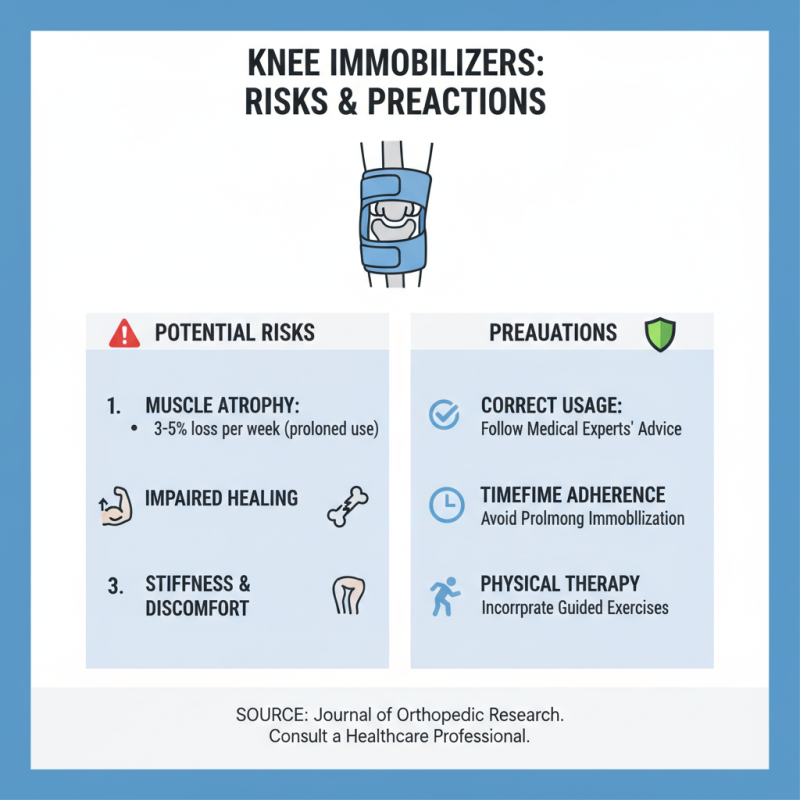
Knee immobilizers can aid in recovery but come with potential risks. While they provide stability, misuse can hinder healing. Medical experts note that immobilizers should be used correctly to prevent muscle atrophy. A study published in the Journal of Orthopedic Research indicates that prolonged immobilization can lead to a 3-5% loss in muscle mass per week.
Unmonitored use of knee immobilizers may also result in joint stiffness. According to the American Academy of Orthopedic Surgeons, patients should gradually regain mobility. They recommend a balance between rest and movement. If you feel discomfort while using an immobilizer, it may signify overuse or incorrect positioning.
Additionally, improper fit of immobilizers may lead to skin issues or pressure sores. Ensuring the right size is essential. Regularly check the skin beneath the brace for any signs of irritation. If redness or swelling occurs, seek advice from a healthcare professional. Use the immobilizer as a tool alongside rehabilitation exercises for optimal recovery.