Why Choose Medical Rental Equipment for Your Business?
Why Choose Medical Rental Equipment for Your Business?
Medical rental equipment offers a practical way to expand services without purchasing every device outright. Clinics can access infusion pumps, patient monitors, oxygen concentrators, and diagnostic systems when demand changes. This flexibility matters for seasonal programs, temporary facilities, and unexpected patient surges. It also protects working capital, which smaller healthcare businesses often need for staffing and clinical supplies.
Industry evidence supports this approach. Grand View Research’s Medical Equipment Rental Market analysis identifies rising healthcare costs and home-care demand as major growth drivers. The World Health Organization’s Global Report on Assistive Technology estimates that more than 2.5 billion people need assistive products today. That number may exceed 3.5 billion by 2050. Rental models can improve access when purchasing remains financially difficult. They may also support faster deployment in community care.
Still, rental is not magic. A lower monthly payment can hide maintenance, delivery, training, insurance, or return charges. Businesses should compare total ownership costs, equipment uptime, calibration records, cleaning procedures, and replacement policies. The provider’s service history matters. So does technical support at three in the morning. The OECD’s Health at a Glance reports highlight persistent pressure on healthcare resources, making efficiency increasingly important. However, cost savings should never weaken patient safety or clinical reliability. A careful rental agreement should define inspection standards, data security, user training, and responsibilities for repairs. The best decision combines financial discipline with clinical judgment. Sometimes, buying remains wiser. That honest comparison builds trust.
What Is Medical Equipment Rental?
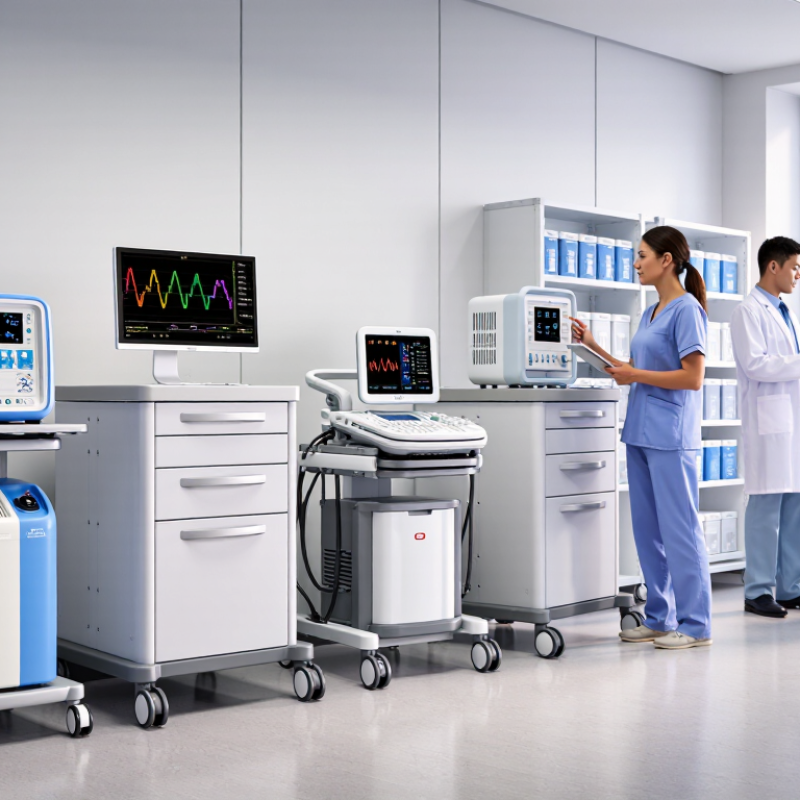
Medical equipment rental is a service that gives businesses temporary access to clinical tools without purchasing them outright. A rental agreement usually covers the equipment, rental period, delivery, setup, maintenance, and return conditions. Common examples include patient monitors, examination tables, mobility devices, and portable diagnostic equipment.
For a clinic, care facility, or rehabilitation center, rental equipment can support a sudden increase in patients. It may also help during renovations, staff training, or short-term treatment programs. A reliable supplier should provide inspection records, operating instructions, cleaning details, and responsive technical support. Trained technicians should test the equipment before delivery and explain important controls to staff. Small details matter. A missing cable or unclear alarm setting can delay care.
Rental is not automatically cheaper. Costs may increase when the term changes, accessories are added, or servicing is excluded. Businesses should check the total price, replacement process, insurance responsibilities, and local safety requirements before signing. Staff should also confirm that the equipment suits the patient group and intended clinical task. In practice, careful planning prevents many avoidable problems. Still, no rental process is perfect. A device may arrive later than expected, or staff may need extra training. Honest communication and documented inspections make those issues easier to manage.
Which Businesses Can Benefit from Renting Medical Equipment?
Why Choose Medical Rental Equipment for Your Business?
Outpatient clinics can benefit from renting medical equipment when patient demand changes each month. A new clinic may need examination tables, vital-sign monitors, or diagnostic devices before revenue becomes predictable. Rental access can reduce upfront spending and protect working capital. It also helps clinics test equipment in real working conditions. Staff can judge comfort, workflow, and maintenance needs before making a permanent purchase.
Rehabilitation centers often rent treatment beds, mobility aids, and therapy equipment during expansion. Home-care providers may need portable monitors, oxygen-related equipment, or patient-support devices for short-term assignments. Mobile medical teams face similar challenges. Their equipment must travel safely between community sites. Training schools can rent working units for practical lessons without filling every classroom with costly assets. Small practices benefit too. However, rental is not automatically cheaper.
The right choice depends on usage, service terms, and patient needs. Ask how often the equipment is inspected, calibrated, cleaned, and repaired. Confirm delivery times, replacement procedures, user training, and total contract costs. A low monthly price can hide transport or maintenance charges. I have seen teams focus on purchase savings and overlook storage space. That mistake creates crowded rooms and slower care. Businesses should review their patient volume, staff skills, and expected rental period honestly. Sometimes buying remains more practical. A careful comparison supports safer operations and more reliable budgeting.
How Medical Equipment Rental Supports Business Flexibility
Medical equipment rental gives healthcare businesses room to adapt without tying up all their capital. A new clinic may need ultrasound systems, patient monitors, or mobility devices before demand becomes predictable. Renting changes a large upfront purchase into planned monthly operating costs. This can protect cash flow during expansion. Keep options open.
Rental also supports short-term projects, seasonal demand, and temporary replacement needs. For example, a rehabilitation center may require extra treatment equipment during a busy winter period. A reliable rental provider should offer maintenance records, calibration details, delivery schedules, and clear training instructions. Staff should know who responds when equipment stops working. Ask difficult questions early.
Flexibility still requires careful management. Rental is not always cheaper over several years. Businesses should compare monthly fees, insurance, consumables, return charges, and possible downtime. A rushed decision may create hidden costs or interrupt patient care. I have found that simple equipment checklists reduce confusion during delivery and collection. They are not perfect, but they expose missing details. Flexibility needs discipline.
Why Choose Medical Rental Equipment for Your Business?
How medical equipment rental supports business flexibility through lower initial cash requirements.
This transparent planning example assumes a medical device purchase price of $10,000 or a rental payment of $600 per month.
Rental keeps the initial cash requirement lower and reaches $7,200 after 12 months, while purchasing requires the full $10,000 at the start.
Actual costs vary by equipment type, contract terms, maintenance, taxes, and financing.
How to Choose the Right Medical Equipment Rental Provider?
Choosing a medical equipment rental provider requires more than comparing monthly prices. The right partner should understand your clinical workflow, patient volume, and staffing limits. Ask whether technicians inspect each device before delivery. Request maintenance records, calibration dates, and clear replacement procedures. A reliable provider explains technical limits without hiding behind vague promises.
Check the provider’s qualifications and service coverage. Confirm that equipment matches applicable safety standards and arrives with operating instructions. Ask how quickly they respond to faults, including evenings and weekends. Delivery details matter too. A portable oxygen unit should arrive charged, clean, and ready for immediate use. Training should include practical demonstrations, not only a printed manual.
Read the rental agreement carefully. Look for deposits, late fees, insurance duties, damage policies, and early-return conditions. Transparent invoices reduce unpleasant surprises. Protect patient information when devices store readings or connect to networks. Ask who can access that data and how it is deleted after return.
A short trial period can expose problems early. Test controls with real staff, in the actual treatment room. Small issues become expensive during busy hours. No provider is perfect. Even experienced teams can miss a delivery detail or underestimate training needs. Keep written communication, inspect equipment on arrival, and record every service visit. That discipline makes the rental relationship easier to evaluate and improve.