Why Is DME Medical Equipment in High Demand?

Demand for dme medical equipment is becoming more visible in homes, clinics, and rehabilitation settings. An adjustable bed can help someone rise with less strain. A walker can make the short trip from bedroom to kitchen feel safer. These practical needs matter as more people manage chronic conditions, recover after treatment, or prefer support at home.

The demand is not only about having more equipment. It is also about getting the right item, fit, and instruction. A poorly adjusted wheelchair or an unfamiliar oxygen device can create frustration instead of confidence. Clinicians, caregivers, and suppliers each play a role in matching equipment to a person’s daily routine. Coverage and availability can vary, so patients should confirm details with their care team and payer.

A reliable, named quotation from a dme medical expert was not included in the source material, so I won’t invent one. That matters. Trust starts with clear information, not a polished claim. The discussion ahead looks at the needs, care trends, and practical considerations driving demand—and at why access alone is not enough. A better fit can change an ordinary day.
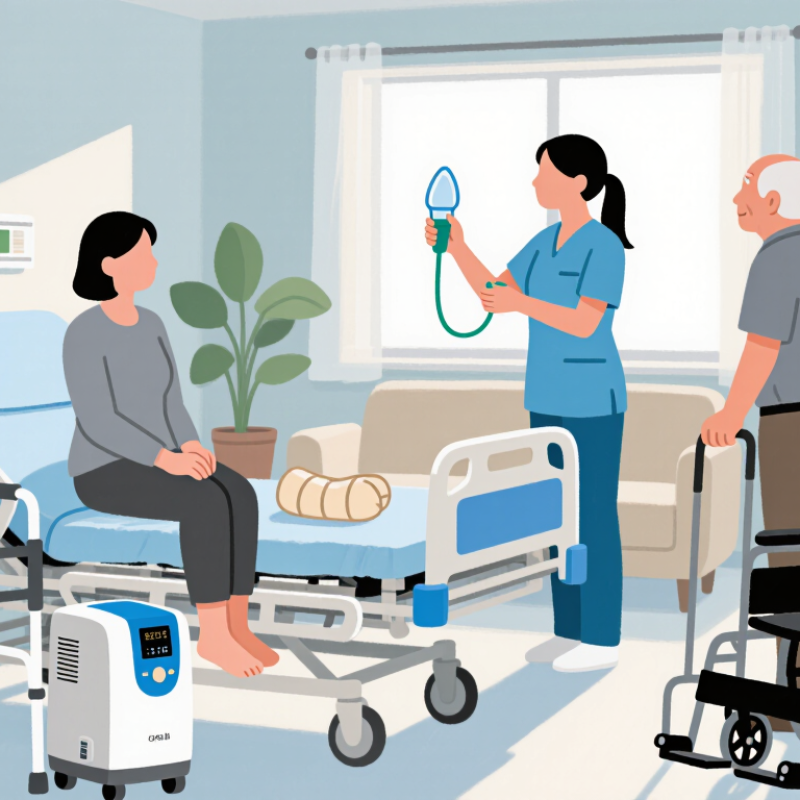
Why Is DME Medical Equipment in High Demand?

What Durable Medical Equipment Includes

DME, or durable medical equipment, refers to reusable equipment used to support a health need over time. It is commonly used at home, though clinicians may also recommend it for recovery or daily care. The key idea is durability: a device is generally built for repeated use, rather than being discarded after one use. Definitions can vary by health system and payer.

Examples include wheelchairs, walkers, crutches, and hospital beds. These can help with movement, transfers, or safer rest. Respiratory equipment may include oxygen equipment and nebulizers.

Other examples include patient lifts and certain monitoring devices. A clinician can help determine which type fits a person’s needs. Fit matters. A walker set too high can make a short hallway feel less steady.

Not every medical item counts as DME. Bandages and many single-use supplies are usually treated differently, even when they support the same care plan. The boundary is not always obvious, and that can be frustrating. Equipment needs may also change after surgery or as mobility changes, so a regular review with a qualified health professional can help identify poor fit, wear, or safety concerns.

Who Uses DME and Under What Conditions

Durable medical equipment (DME) helps people manage everyday activities when illness, injury, or disability affects movement or self-care. Users may include older adults, people with mobility limitations, and patients recovering at home after surgery. A walker can steady someone moving between rooms; a wheelchair may make longer trips less exhausting. Small details matter. A doorway that is too narrow can make a useful device difficult to use.

Some people need DME for a short period, such as while healing from a fracture or joint replacement. Others rely on equipment for longer-term conditions that affect strength, balance, breathing, or daily function. A hospital bed may help a person change position more comfortably, while prescribed respiratory equipment can support treatment at home. Needs differ, even among people with the same diagnosis.

Choosing equipment is not always straightforward. A healthcare professional can assess the person’s abilities, home layout, and care plan, then explain safe use and fit. Caregivers may also need instruction, especially when helping with transfers or adjustments. A device that works well in a clinic may feel awkward beside a crowded bed at home. That mismatch deserves attention, not guesswork.

Why Is DME Medical Equipment in High Demand? — Who Uses DME and Under What Conditions

Demand is driven by people living with disability, chronic illness, age-related limitations, or recovering from injury or surgery. These needs can involve mobility, respiratory support, and everyday self-care. The figures below describe assistive products broadly; this category overlaps with, but is wider than, durable medical equipment (DME).

Source: World Health Organization, Assistive technology fact sheet. Figures are global estimates; unmet need is shown as approximately 1.0 billion.

How Aging and Chronic Illness Increase Demand

Why Is DME Medical Equipment in High Demand?

How Aging and Chronic Illness Increase Demand

As people age, everyday tasks can become harder. A short walk to the kitchen may require a walker, while getting out of bed may call for added support. Chronic conditions can also affect breathing, strength, balance, or recovery after illness. Depending on an individual’s needs, durable medical equipment may help make daily routines safer and more manageable. Aging alone does not mean someone needs equipment; needs vary widely.

More people are managing long-term health needs at home, which adds to demand for equipment such as mobility aids, home beds, and respiratory supplies. Hospital discharge can also create an immediate need, sometimes before a household has arranged space or caregiver support. The right choice depends on the person, their home, and guidance from qualified health professionals. Planning is not always perfect. A device that looks suitable may still be difficult to use in a narrow hallway.

Tips: Measure doorways and clear walking paths before selecting equipment. Ask a clinician or equipment specialist how to use and maintain it. Check brakes, cables, and fit regularly, and report problems or changing needs.

Why Home-Based Care Drives Equipment Use

As more care shifts into homes, durable medical equipment becomes part of ordinary routines. A walker may stand beside the kitchen table, while a hospital bed can make transfers easier in a crowded bedroom. These practical details help explain rising demand. Care at home often requires equipment that supports mobility, positioning, breathing, or daily tasks between professional visits.

Home-based care also places more responsibility on patients and caregivers. They may need to learn safe setup, cleaning, and basic troubleshooting, sometimes while juggling meals and appointments. That is a lot. Equipment can support a care plan, but it cannot replace assessment, instruction, or follow-up from qualified professionals.

The right choice depends on a person’s needs, home layout, and ability to use the device safely. A narrow hallway, loose rug, or hard-to-reach power outlet can change how useful a product is. Availability matters, too: timely delivery and repairs can affect whether someone can continue their routine at home.

Home care is not automatically easier or cheaper. It can be tiring, and equipment may take adjustment. That part deserves more attention. Regular check-ins help identify fit problems, changing needs, or maintenance concerns before small issues disrupt daily care.

How Coverage and Access Shape DME Demand

Why Is DME Medical Equipment in High Demand?
How Coverage and Access Shape DME Demand

Demand for durable medical equipment reflects more than age or health needs. Coverage rules and supplier access can determine whether a person receives a wheelchair, oxygen equipment, or a hospital bed on time. MedPAC reported that Medicare fee-for-service spending on DMEPOS reached about $8.7 billion in 2022. That scale points to substantial need, but spending alone does not show how easily patients obtain equipment.

Coverage shapes the pathway. Original Medicare Part B generally covers eligible equipment when a healthcare provider documents medical necessity and a supplier meets program requirements. Beneficiaries may still face cost-sharing, paperwork, or delays. KFF reported that 54% of eligible Medicare beneficiaries were enrolled in Medicare Advantage in 2024. These plans must cover Medicare benefits, yet networks and prior authorization can influence which suppliers patients can use. The system is not always intuitive. A prescription does not guarantee quick delivery, and that gap deserves more attention.

Tips: Before ordering, ask the clinician to specify the equipment and medical need in writing. Confirm that the supplier accepts your plan, check expected costs, and ask what happens if approval is delayed. Keep copies of forms and delivery dates; small details can prevent a frustrating repeat.