Selecting a knee immobilizer manufacturer is a clinical and sourcing decision, not simply a price comparison. Fit, construction, sizing consistency, and clear product documentation matter. A rigid support that slips during use can be more than inconvenient. It can undermine confidence in the product.
The need is substantial. The World Health Organization estimates that 1.71 billion people live with musculoskeletal conditions worldwide. Its osteoarthritis data report 528 million affected people in 2019, including 365 million with knee osteoarthritis. These figures describe broad health needs, not demand for immobilizers alone. Still, they show why buyers should assess product range and manufacturing reliability carefully.
As WHO Director-General Dr. Tedros Adhanom Ghebreyesus has said, “Health is a human right. Everyone must have access to the health services they need, when and where they need them—without suffering financial hardship.” For global buyers, that principle makes supplier evaluation especially important. Ask about materials, size options, quality controls, lead times, and after-sales support. Request evidence, not just polished claims. Small details matter.
This guide introduces ten knee immobilizer manufacturers for international buyers. It is a starting point, not an endorsement. Product specifications and supplier capabilities can change, and published information may be incomplete. Verify current details directly before making purchasing decisions.
A knee immobilizer is a supportive brace designed to limit bending at the knee. It usually has a padded sleeve or fabric panels, with rigid supports along the leg and adjustable straps. By holding the knee in a straighter position, it can reduce unwanted movement during a period of recovery or when directed by a healthcare professional. It is not the same as a flexible knee sleeve, which offers compression but allows more motion. Fit matters. A brace that shifts, pinches, or feels too tight may cause discomfort and should be checked.
Knee stability depends on more than the brace itself. The correct model and wearing schedule depend on the person’s condition, leg shape, and treatment plan, so professional guidance is important.
Straps should feel secure without causing numbness, tingling, or changes in skin color. Check the skin regularly, especially around the kneecap and strap edges. Even a well-made immobilizer can feel awkward at first.
That detail is easy to underestimate.
It may also limit ordinary tasks, such as sitting comfortably or climbing stairs, so users should ask how to move safely and when the brace may be removed. A knee immobilizer supports controlled positioning; it does not restore strength or replace follow-up care.
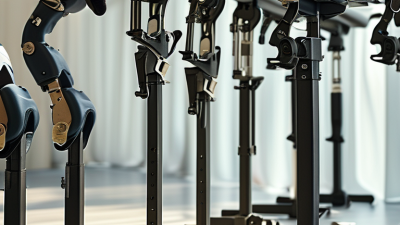
Common knee immobilizers differ in how much movement they restrict. A rigid immobilizer holds the knee near extension and is commonly used short-term after selected acute injuries or procedures, when limiting motion is part of the care plan. Hinged braces allow clinicians to set a permitted range of motion, making them more suitable for staged rehabilitation. Patellar-stabilizing designs guide the kneecap but do not fully immobilize the joint. The WHO reports that 528 million people lived with osteoarthritis in 2019, including 365 million with knee osteoarthritis; this describes the broader clinical burden, not device demand.
Tips: Match the design to the prescribed movement limits. Check that straps sit flat, the brace does not slide, and skin stays comfortable. Stop and seek clinical advice if numbness, increasing pain, or color changes appear.
Fit matters in real use. A rigid shell that twists on a swollen leg may create pressure near the ankle or behind the knee. One limitation is easy to miss: “more restriction” is not automatically better. Duration and permitted movement should follow the treating professional’s instructions, especially after surgery or suspected fracture. The brace should support a care plan, not replace assessment or follow-up.
Brand-neutral overview of common knee immobilizer and related postoperative brace designs. Configurations can overlap, and intended use depends on the specific product and the treating clinician’s instructions.
| No. | Design configuration | Common construction features | Typical intended use | Selection and fit considerations |
|---|---|---|---|---|
| 1 | Posterior-panel knee immobilizer | Padded panel behind the leg, usually supported by medial and lateral stays and secured with straps. | Temporary support that helps hold the knee in an extended position when prescribed for an injury or after a procedure. | Check thigh and calf measurements, brace length, strap placement, and whether the prescribed fit maintains the required position. |
| 2 | Three-panel wraparound design | Separate overlapping panels wrap around the leg, allowing some adjustment to circumference. | Support and extension positioning where a wrap-style fit is preferred or limb shape makes a fixed-width design less suitable. | Panels should overlap securely without excessive pressure; confirm that the brace stays in place during the intended activity. |
| 3 | Adjustable-length immobilizer | Length-adjustable stays or panels accommodate a range of leg lengths, depending on the product design. | Situations in which a standard fixed length does not match the wearer’s measured thigh-to-calf length. | Verify the product’s adjustment range and locking method; adjust only as directed in the product instructions or care plan. |
| 4 | Fixed-length long immobilizer | Long posterior support with side stays and multiple straps extending along the thigh and lower leg. | Immobilization of the knee in extension when a longer brace is prescribed to provide support above and below the joint. | Measure the leg and compare it with the manufacturer’s sizing guide; ensure the brace does not restrict circulation or cause pressure points. |
| 5 | Compact or shorter-length design | Shorter panels or stays than a full-length model; overall support area varies by product. | Use only when the prescribing clinician considers a shorter design appropriate for the required support and positioning. | A shorter brace may provide less coverage than a long immobilizer. Confirm the prescribed design rather than choosing by convenience alone. |
| 6 | Wide-circumference design | Wider panels or longer straps intended to fit larger thigh or calf circumferences. | Provides an alternative fit for users whose measurements fall outside standard sizing ranges. | Check measured circumference and strap reach. A wider fit does not, by itself, indicate a higher load capacity or a different clinical indication. |
| 7 | Pediatric-size design | Smaller overall dimensions and strap placement intended for appropriately sized children. | Support or extension positioning for a child when specifically selected and prescribed by a qualified clinician. | Use pediatric measurements and check fit frequently as the child grows; an adult brace should not be assumed to fit a child safely. |
| 8 | Removable-stay design | Stays can be removed or repositioned on some models to assist with fitting or care. | May be useful when a clinician or caregiver needs to adjust the brace configuration for the prescribed plan. | Do not remove or reposition stays unless the product instructions or clinician permits it; confirm that required support is maintained. |
| 9 | Hinged range-of-motion postoperative brace | Side hinges with adjustable motion stops; some models can be locked in extension. | Controlled knee motion or extension locking after selected procedures or injuries when prescribed. This is a related brace type, not a simple immobilizer. | Motion limits and lock settings must follow the clinician’s protocol and the device instructions; do not change settings independently. |
| 10 | Low-profile or lightweight immobilizer | Reduced bulk or lighter materials while retaining the support components specified for that model. | May suit users who need the prescribed immobilization design with a less bulky construction. | Compare actual support structure, fit, and care instructions; “lightweight” does not establish suitability for a particular injury or procedure. |
General information only: knee braces differ in construction and indications. Follow the product instructions and the treating clinician’s guidance, especially after surgery or when circulation, sensation, skin integrity, or swelling is a concern.
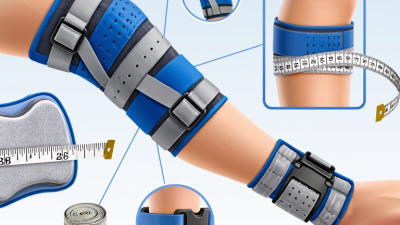
When comparing knee immobilizer manufacturers, look beyond catalog photos and headline prices. Check the available sizes, adjustment range, hinge or stay options, and instructions for measuring a patient’s leg. Ask how the design accommodates swelling and whether straps can be repositioned without twisting the brace. Details matter. Request a sample and inspect its edges, stitching, closures, and contact surfaces. A rough seam can become noticeable during hours of wear.
Review material specifications, cleaning guidance, and documented quality checks for incoming materials and finished products. Ask how measurements and functional checks are recorded across production batches. A supplier should explain its process clearly, not just say that products are “tested.” Compare lead times, minimum order quantities, packaging, and the ability to maintain consistent specifications for repeat orders. Request relevant technical documents and clarify which claims are supported by test data. A low quote may exclude samples, packaging changes, or freight. I would not treat a polished presentation as proof of consistent manufacturing; verify details against samples, records, and written specifications.
The ten manufacturer profiles should reveal more than catalog breadth. They can compare specialist orthopedic producers, hospital-supply manufacturers, textile brace makers, molded-shell specialists, and original-equipment suppliers. Other useful profiles cover custom-fit workshops, high-volume factories, regional distributors with production lines, rehabilitation-focused makers, and suppliers serving pediatric care. Some categories overlap. That is worth checking, not hiding. For each, examine hinge design, strap placement, sizing range, and whether replacement parts are available.
The World Health Organization estimates that 1.71 billion people live with musculoskeletal conditions worldwide. This broad figure indicates substantial care needs, but it does not measure knee immobilizer sales. Buyers should compare manufacturers using sample fitting, material specifications, documented quality processes, and clear lead-time information. A rigid shell may feel secure in a clinic, yet become uncomfortable during prolonged wear. Published product claims also need verification; a polished catalog is not clinical evidence.
Tips: Ask for measurements and a sample before a large order. Check how the immobilizer fits over clothing, whether straps can be adjusted with one hand, and how cleaning instructions are provided. Record the test results. Small fit problems matter.
An approximate adult knee flexion reference to help frame product discussions when reviewing manufacturer profiles. Actual range of motion varies by individual and clinical situation; this is not a product-performance comparison.
Reference scale: full extension is approximately 0°, while adult knee flexion is commonly around 135° at the upper end. Follow the treating clinician’s guidance when selecting or using an immobilizer.
For global buyers, comparing knee immobilizer manufacturers starts with intended use, not the catalog photo. Ask for current specifications, size charts, material details, and instructions for use. Check whether the design can maintain the position recommended by a qualified clinician. Inspect stitching, edge binding, strap strength, and hook-and-loop grip after repeated opening. A sample should fit different leg shapes without pinching behind the knee. Small details matter. Request batch records and a clear process for handling defects or product changes. That is easy to overlook.
Quality documents should match the actual factory and product being offered. Ask which quality-management certifications are held, who issued them, and whether their scope covers the relevant site. Verify claims with the issuing organization where possible. Import requirements and device classifications vary by destination. Confirm registration, labeling, language, and importer responsibilities with local authorities or a qualified compliance specialist before ordering. Do not assume one certificate clears every market. Compare lead times, replacement-part availability, packaging durability, and communication during corrective actions. A low quote can hide costly gaps. Test samples, record findings, and agree on acceptance criteria in writing. It may feel slow. But a spreadsheet cannot show whether a brace stays secure during ordinary movement.
2382 Faraday Avenue, Ste 300
Carlsbad, CA 92008
The materials on this website are for your general educational information only. Information you read on this website cannot replace the relationship that you have with your healthcare professional. We do not practice medicine or provide medical services or advice as a part of this website. You should always talk to your healthcare professional for diagnosis and treatment.
©2025 Breg, Inc. All rights reserved. All trademarks and registered trademarks are owned by the copyright holder.